
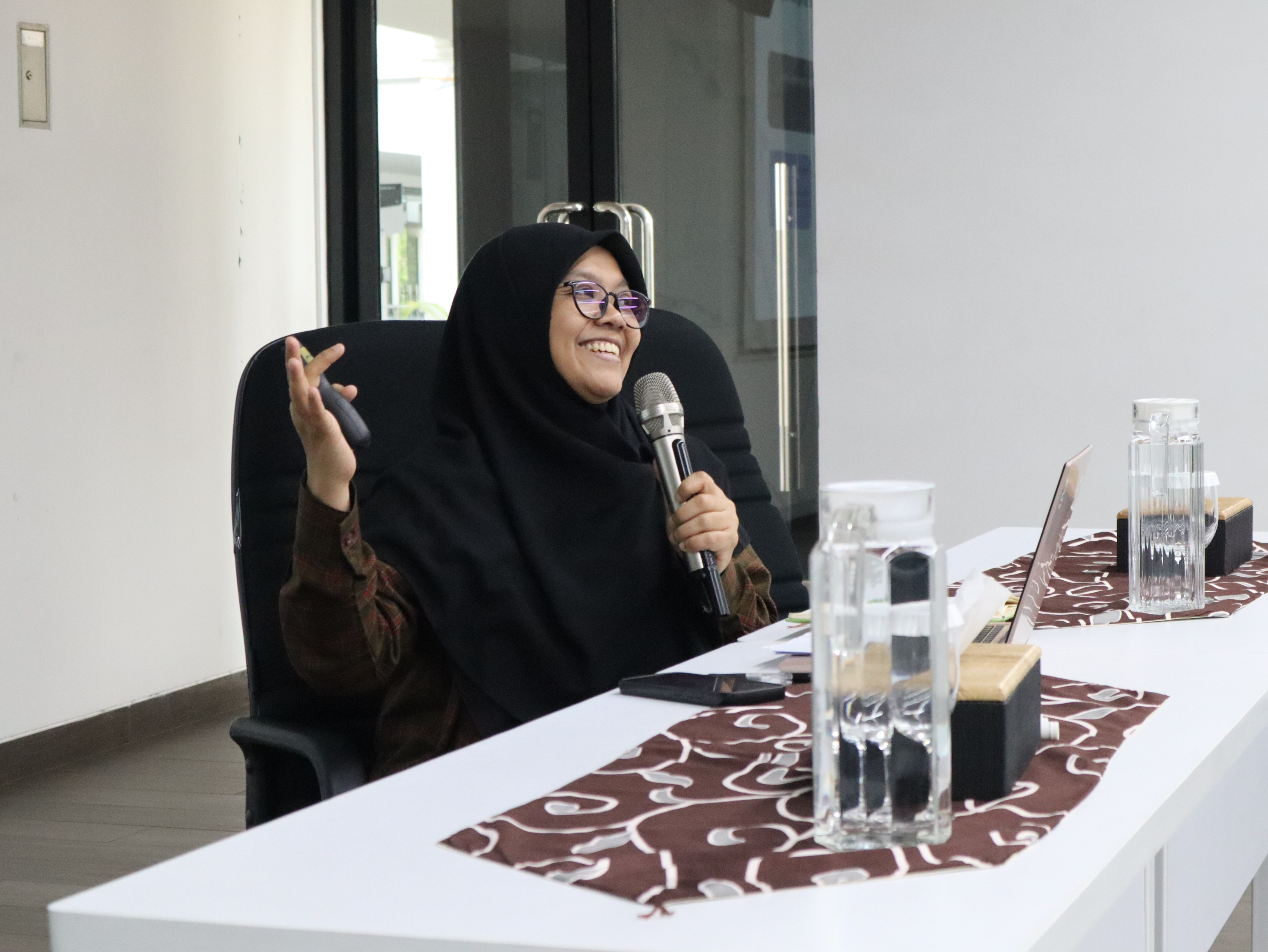
Depok – The Faculty of Islamic Studies (FIS), Universitas Islam Internasional Indonesia (UIII), through its Center for Islamic Manuscripts and Written Cultures (IMWC), hosted its first public lecture entitled “Transmitting the Sirah Nabawiyyah in the Malay-Indonesian World: A Study of ‘Umdat al-Ansāb.” The lecture was delivered by Nabila Yasmin, an IMWC Fellow at the Faculty of Islamic Studies and a lecturer at Universitas Islam Negeri Sumatera Utara (UINSU), Medan.
The lecture examined the transmission and circulation of ‘Umdat al-Ansāb, a work on the genealogy and history of the Prophet Muhammad, through Arabic and Malay manuscripts in the Malay-Indonesian world. Drawing on her manuscript research, Nabila presented several versions of the text preserved in Southeast Asian and other collections, highlighting historical connections among Islamic intellectual traditions and manuscript cultures across regions.
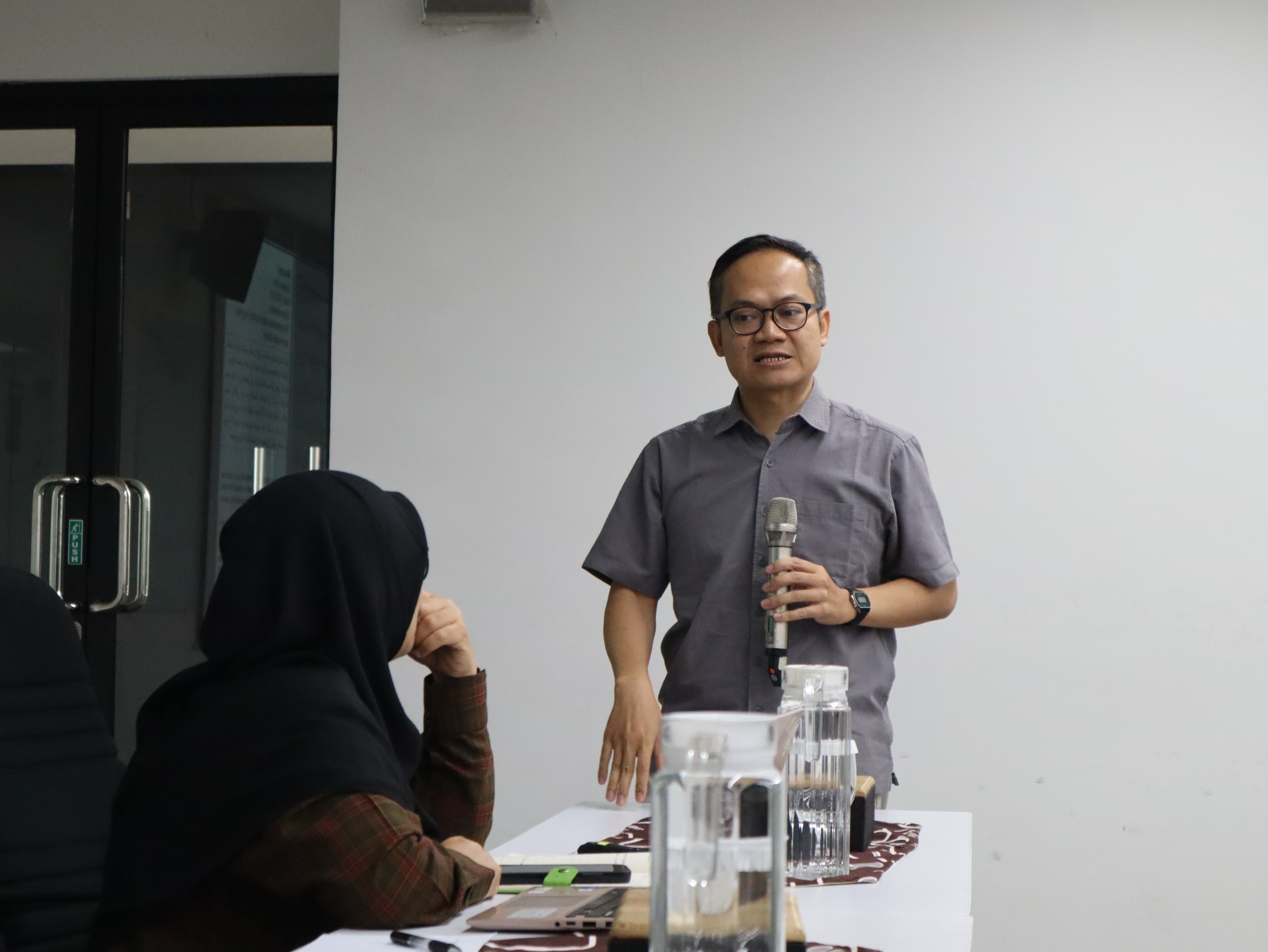
A significant part of the presentation focused on identifying and examining manuscript copies, including Malay manuscripts held at the National Library of Malaysia and the National Library of Indonesia, as well as Arabic manuscripts accessed through the British Library’s Endangered Archives Programme (EAP). By comparing these materials, she examined their colophons, dates of composition and copying, scribal practices, and textual variations.
The comparison revealed interesting differences between the Arabic and Malay versions, particularly in their structures, translations, and the preservation of specific expressions and illustrations. Nabila also discussed the challenges of establishing the chronology and direction of textual transmission, including the possible relationships between Arabic, Persian, and Malay versions of the work.
Another important aspect of the lecture was the role of manuscript colophons and marginal notes in reconstructing the history of a text. Such details provide valuable information about scribes, copying periods, and the circumstances surrounding manuscript production. The presentation demonstrated how these often-overlooked elements can help researchers trace the movement of Islamic knowledge and literary works across geographical and linguistic boundaries.
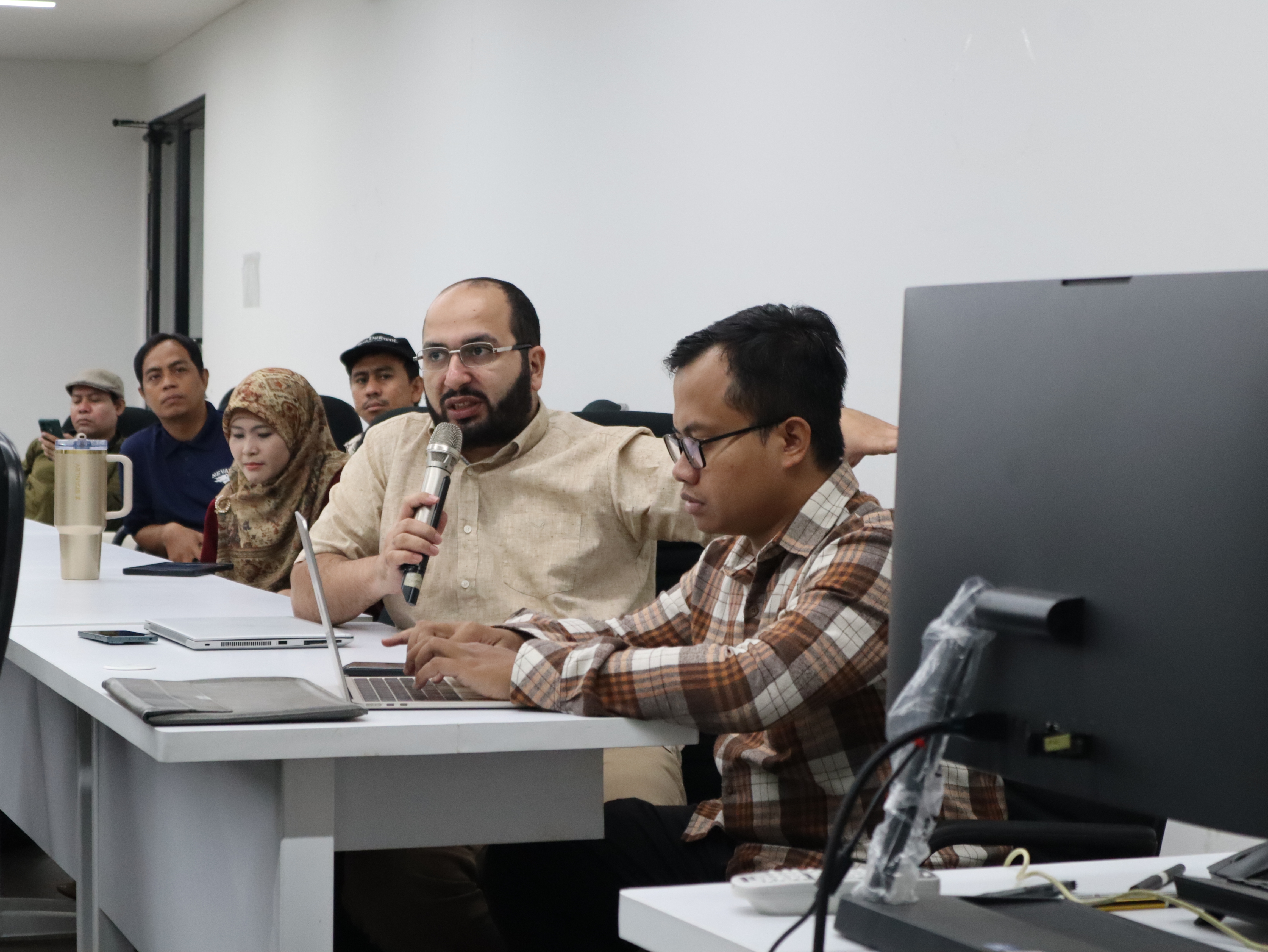
The subsequent discussion engaged participants in questions concerning the authorship of the different versions, the possible routes of translation, and the relationship between Arabic and Malay textual traditions. Participants also explored whether the Malay version was translated directly from an Arabic source or through an intermediary Persian version. These questions highlighted the complexity of textual transmission and the need for further comparative research to establish the historical connections between surviving manuscripts.
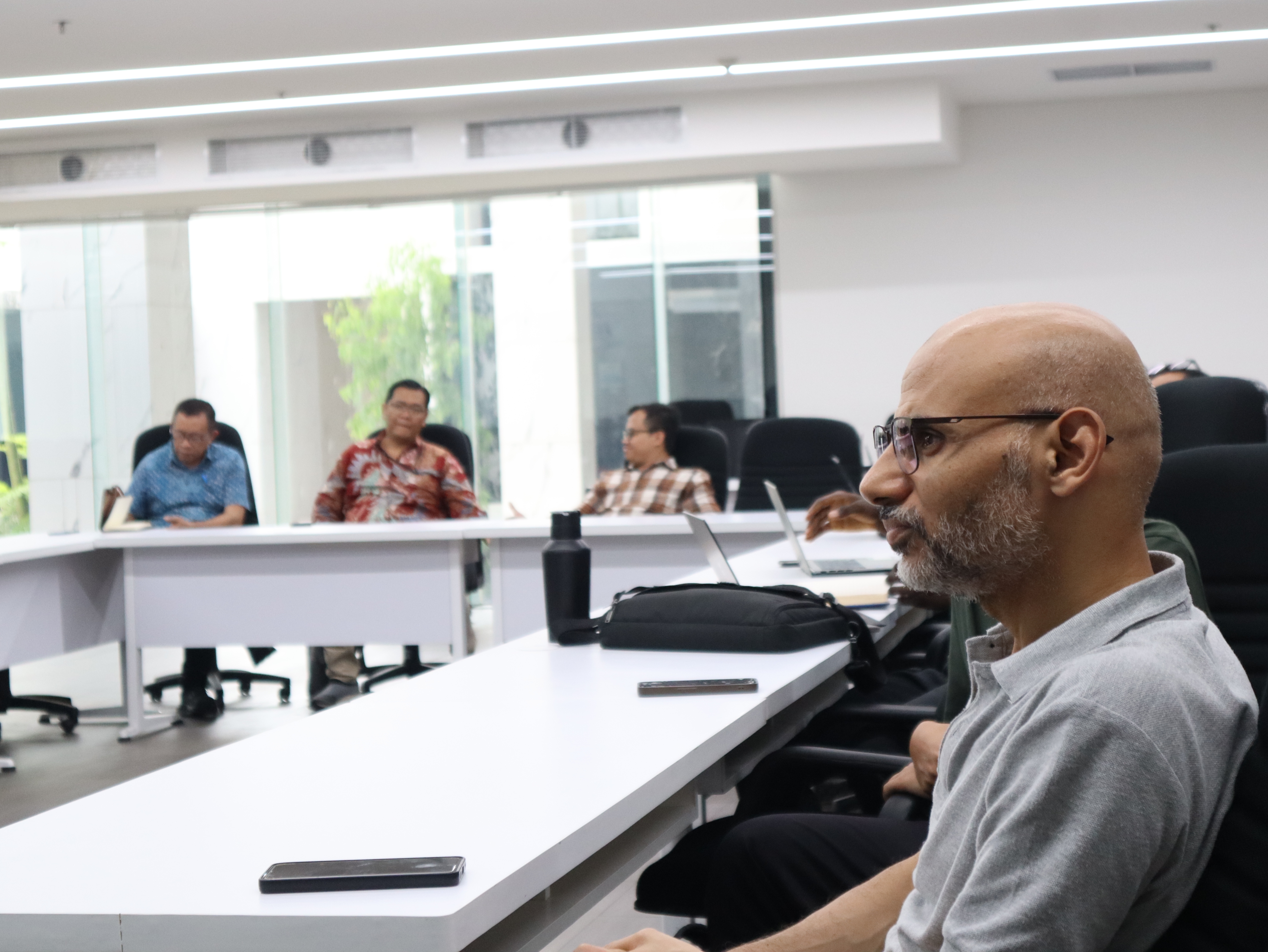
The discussion further underscored the importance of examining manuscripts not merely as individual historical documents but as part of wider networks of intellectual exchange, translation, and knowledge production.
Through this public lecture, FIS UIII and IMWC reaffirmed their commitment to advancing manuscript studies and exploring the rich intellectual heritage of Islam in Southeast Asia. The lecture also provided an opportunity for scholars and students to engage with methodological approaches to manuscript research, particularly textual comparison, codicological examination, and the study of cross-linguistic knowledge transmission.
By bringing together manuscript collections, textual traditions, and historical perspectives, the lecture contributed to a deeper understanding of how Islamic knowledge travelled, was translated, and developed within the Malay-Indonesian intellectual world.