
Manuscripts are much more than historical documents. They are records of intellectual journeys, scholarly networks, educational traditions, and cultural encounters
Jamhari Makruf – Rector of UIII
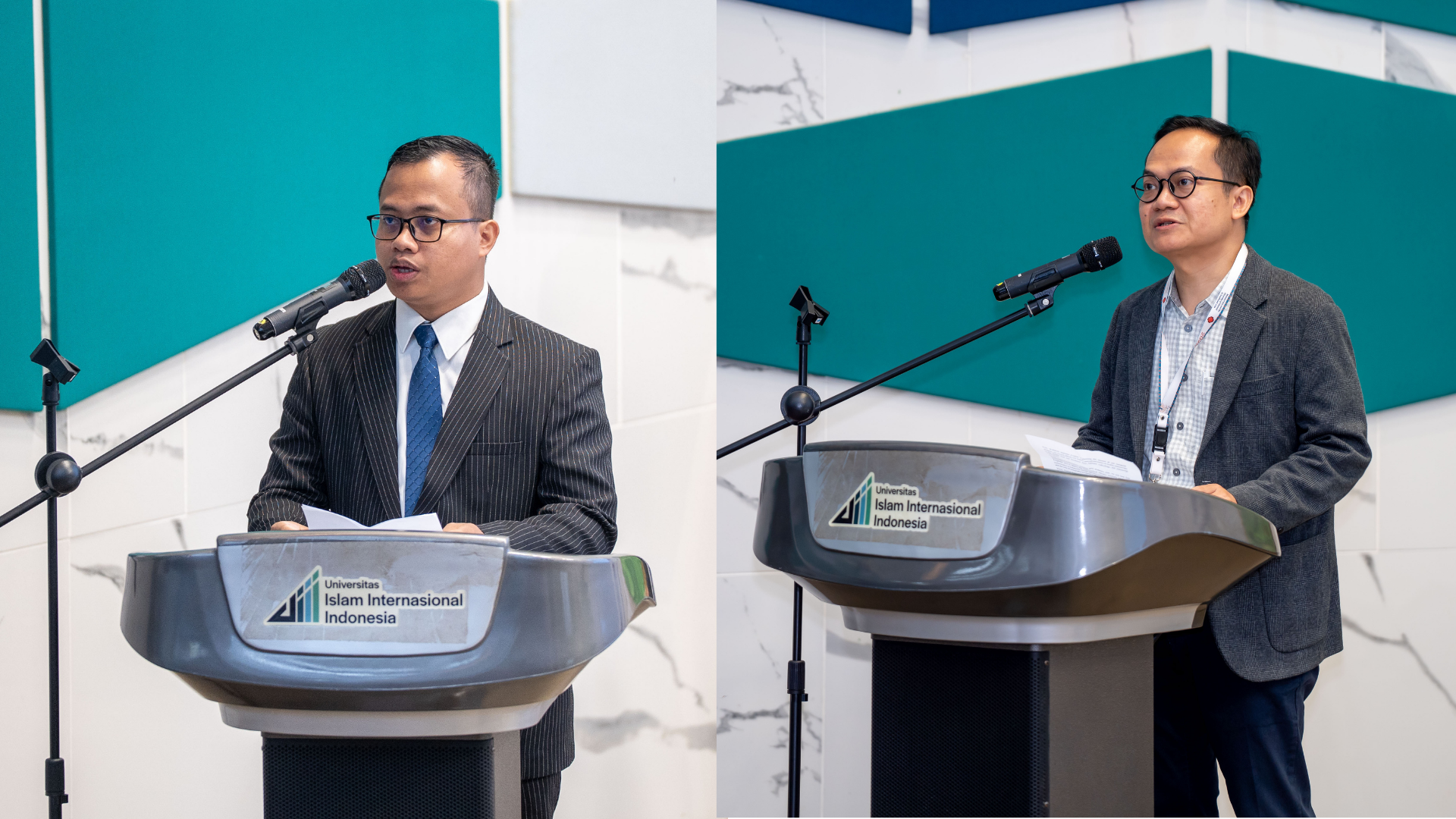
Depok – The Faculty of Islamic Studies (FIS), Universitas Islam Internasional Indonesia (UIII) successfully convened a landmark international conference centered on Manuscripts and the Diversity of Islam(s) in Southeast Asia on August 19-20, 2026. Organized in collaboration with the newly established Center for Islamic Manuscripts and Written Culture (IMWC), the gathering brought together royal dignitaries, leading international scholars, and emerging philologists to examine the preservation, circulation, and critical editing of Nusantara’s rich textual heritage.
Academic Vision and Institutional Commitments
The conference opened with the launch of a new research center at the Faculty of Islamic Studies, Center for Islamic Manuscripts and Written Culture (IMWC), delivered by the director, Dr. Phil. Zacky Khairul Umam, followed by the introduction to the program by the convenor, Dr. Akhmad Mughzi Abdillah.
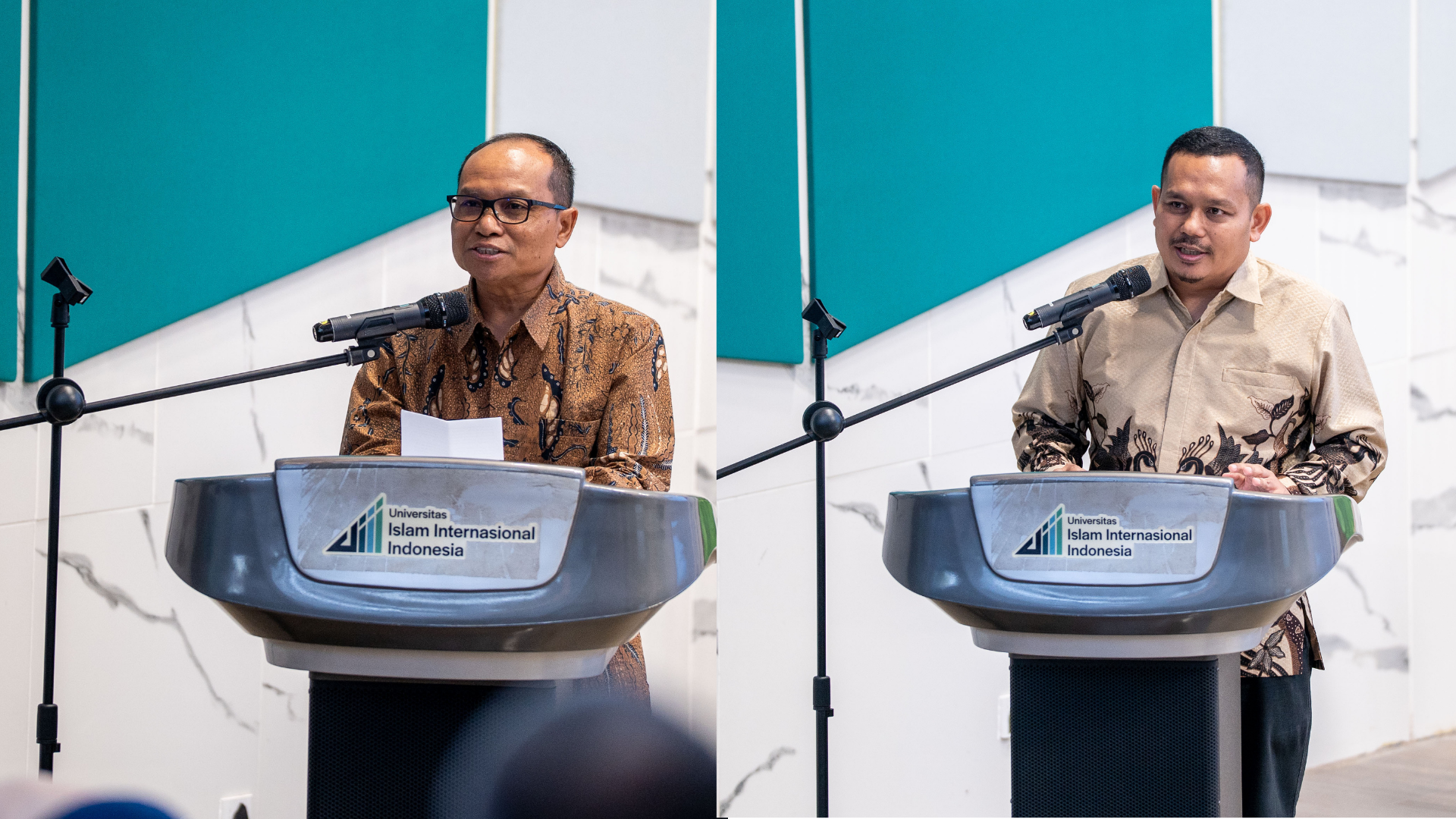
The opening session continued with welcoming remarks from the Rector of UIII, Prof. Jamhari Makruf, who highlighted the critical role of manuscript scholarship in understanding how Islam was historically transmitted and lived across the region. “Manuscripts are much more than historical documents. They are records of intellectual journeys, scholarly networks, educational traditions, and cultural encounters,” He stated. He emphasized UIII’s dedication to classical heritage through its specialized MA in Turath Islam program, which emphasizes taḥqīq (critical editing of classical manuscripts), and invited attendees to engage with UIII’s iconic library as a regional hub for research.
Echoing these goals, Prof. Yanwar Pribadi, the Dean of the Faculty of Islamic Studies, underscored the necessity of bringing greater scholarly attention to the rich, preserved textual history of Muslim intellectuals across the Indonesian archipelago and broader Southeast Asia.
Expanding the Global Perspective on Southeast Asian Manuscripts
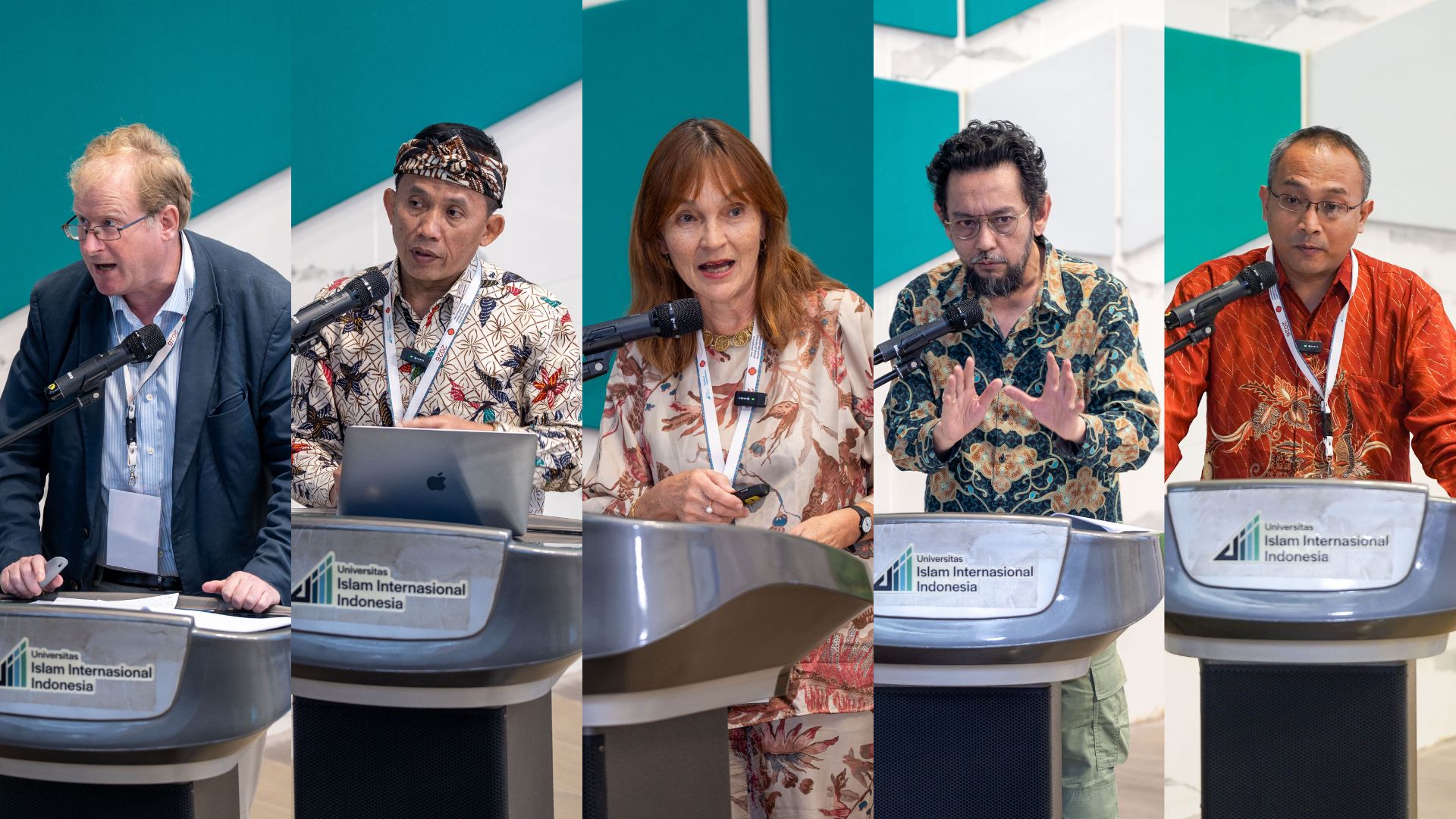
The conference featured distinguished scholars, including Prof. Andrew Peacock from the University of St Andrews, who demonstrated through his study of Arabic manuscripts that Southeast Asia was an active participant in the wider intellectual networks of the Muslim world, with Arabic manuscripts providing important evidence of the region’s scholarly and cultural connections. Prof. Oman Fathurahman from UIN Syarif Hidayatullah Jakarta, highlighted the insightful work of the Digital Repository of Endangered and Affected Manuscripts in Southeast Asia (DREAMSEA), which is emphasizing the importance of digital preservation and accessibility in safeguarding the region’s vulnerable manuscript heritage. Dr. Annabel Teh Gallop from the British Library, explored the circulation and artistic dimensions of Southeast Asian Qur’anic manuscripts, including the journeys of manuscripts beyond the region and the distinctive traditions of Qur’anic illumination. Prof. Farish A. Noor from Universitas Islam Internasional Indonesia, reflected on the historical prominence of the Sultanate of Banten and its enduring presence in European historical and literary imagination, highlighting the interconnectedness of Southeast Asian Islamic polities with wider global networks. Dr. Ervan Nurtawab further explore the textual criticism to understand the genealogy of three Qur’ans from 18th-Century Banten, which is demonstrating how regional scribes actively exercised scholarly agency, applying marginal annotations, alternative readings, and structural divisions tailored for diverse regional readerships.
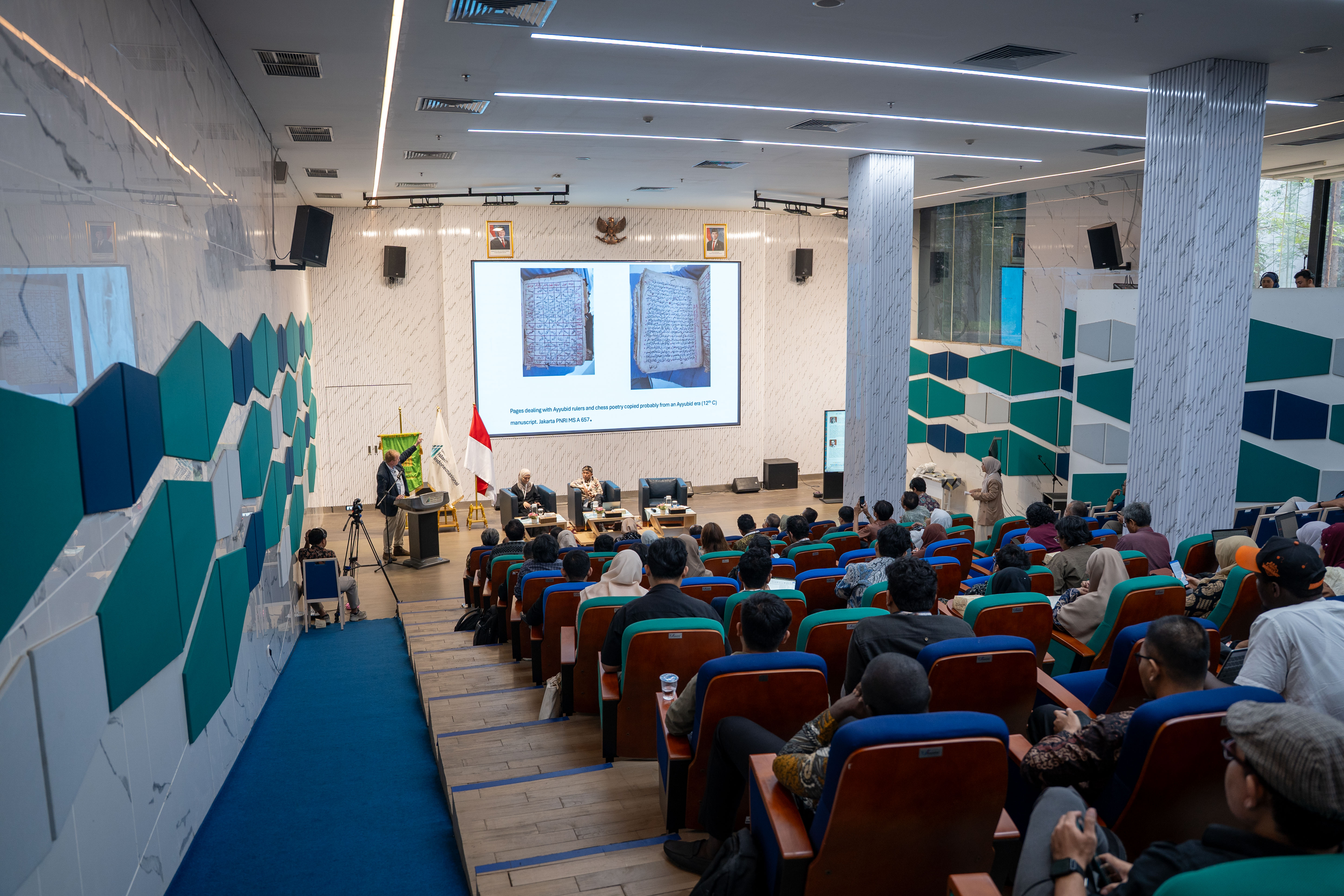
Across the two-day gathering, discussions demonstrated that Southeast Asian Islamic manuscripts are not merely historical artifacts, but dynamic records of intellectual exchange, religious interpretation, and cultural interaction. The conference also strengthened academic networks and collaborative efforts toward manuscript preservation, digitization, and critical scholarship.
Through the successful organization of the conference, the Faculty of Islamic Studies reaffirmed its commitment to advancing the study of Islamic intellectual heritage and strengthening Southeast Asia’s contribution to global Islamic scholarship.