Can the universe be understood as code? For students of Islamic Studies, this is not just a technical question but a theological limitation.
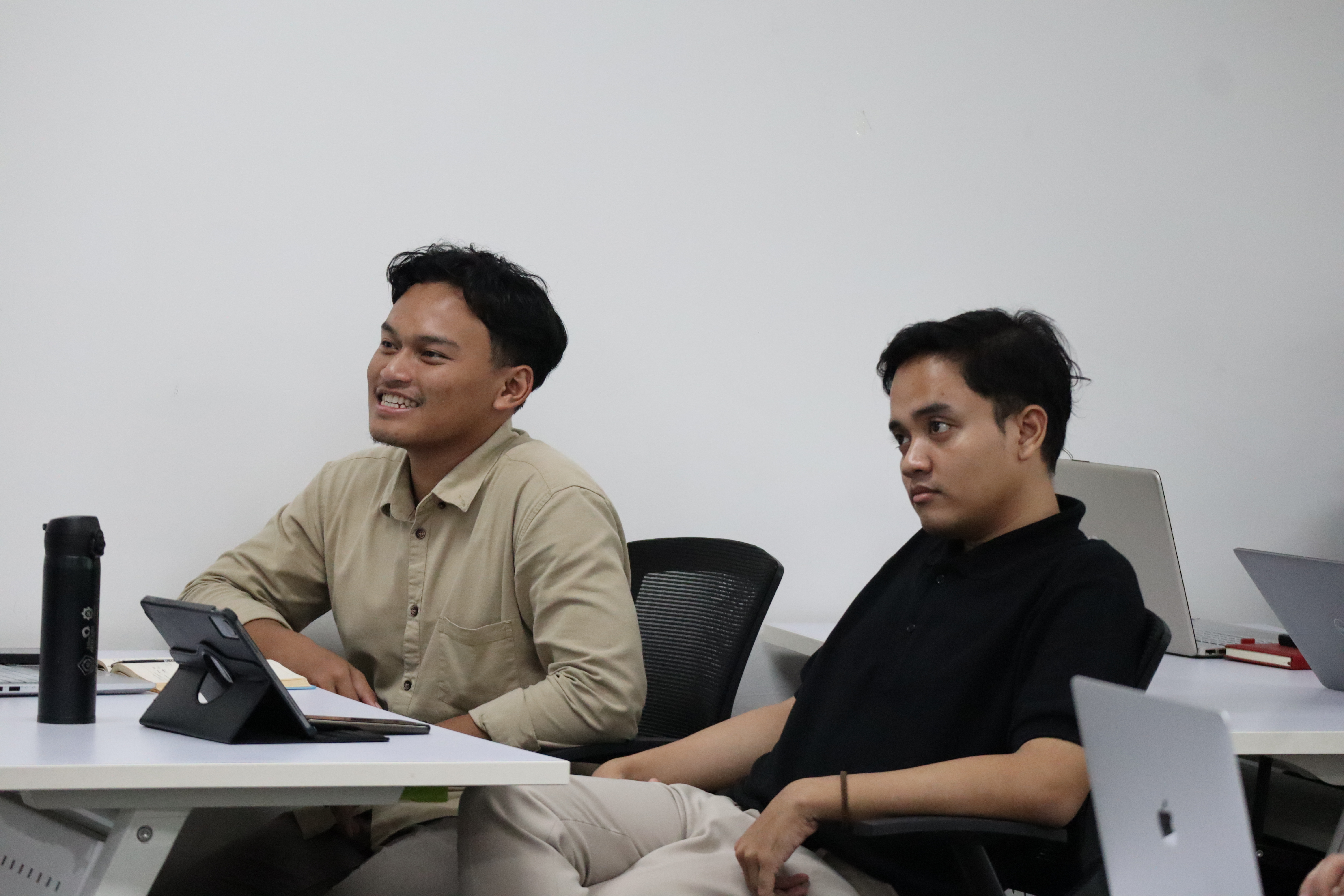
Depok — Recently, we had the privilege of witnessing this profound intersection during the lecture “Simulation Theory: Decoding the Algorithmic Garden,” featuring Saiful Ridwan, Founder of the Algorithmic Garden Framework and former Chief of Enterprise Solutions at UNEP.
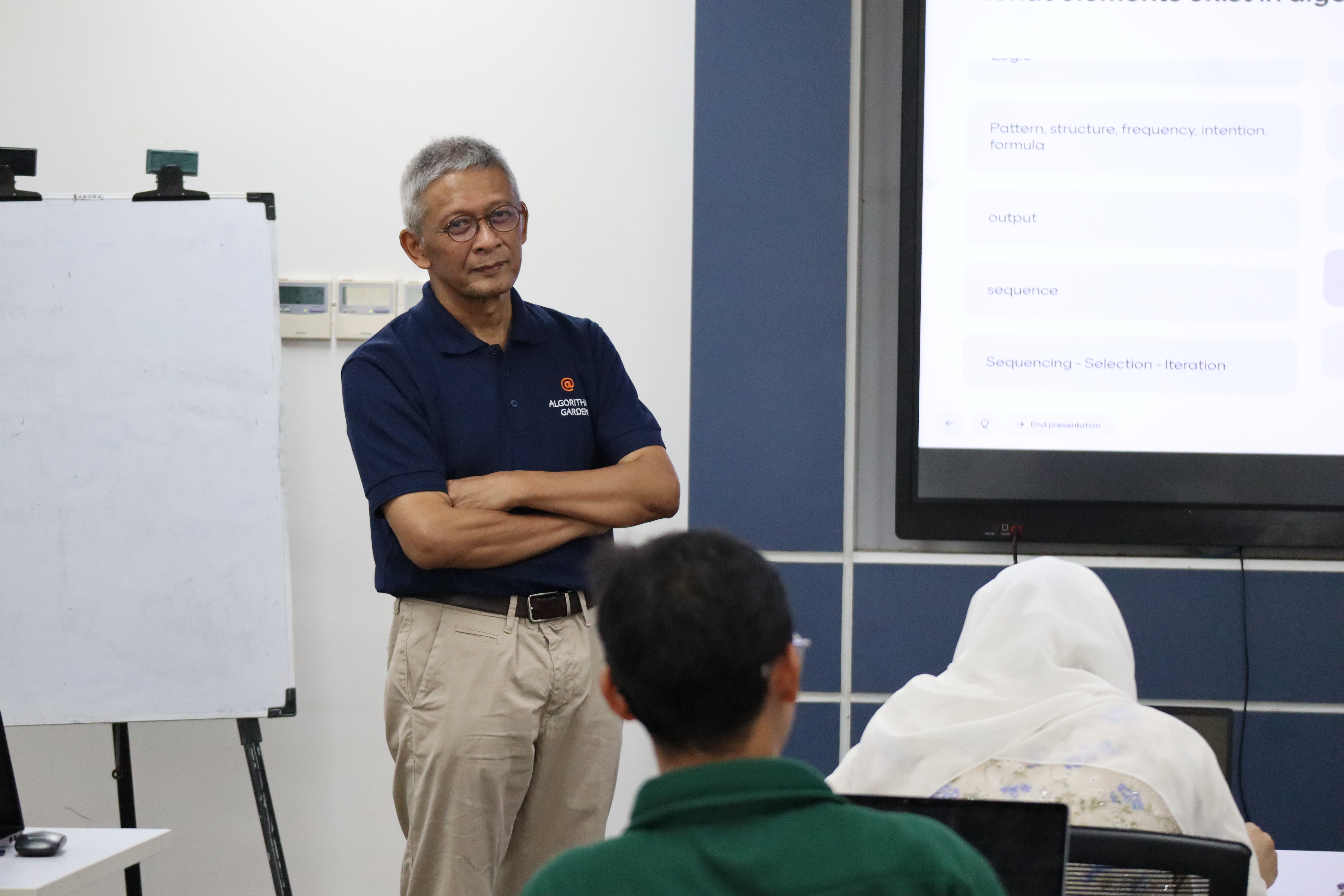
The session started with a welcoming remark by Dr. Bhirawa Anoraga, the lecturer of the Digital Islam course. He introduced the speaker as an expert in digital solutions with many years of experience in national and international organizations. Dr. Anoraga also highlights how technology and theology are often seen as separate concepts, while actually they are strongly connected, just like in sci-fi movies, which provides the background of the lecture on understanding theology using technological simulation.
The core argument of the speaker was simple yet revolutionary: the universe itself follows algorithmic patterns. Rather than viewing algorithms as purely human inventions confined to computers and data centers, he invited us to recognize them as fundamental principles of reality. From the formation of galaxies to the way ecosystems evolve, algorithmic logic shapes our world. This perspective challenges us to reconsider what we know about existence, determinism, and free will.
The Algorithmic Garden Framework presents three distinct types of algorithms operating in our universe. Primary algorithms are predictable and follow fixed rules like gravity or the laws of physics. Enhancer algorithms are more complex, involving feedback loops and adaptation, supporting and enhancing primary mechanisms. Then there are human-made algorithms, designed systems that reflect our intentions, values, and limitations. Understanding this hierarchy becomes essential when we examine how technology influences human life and society.
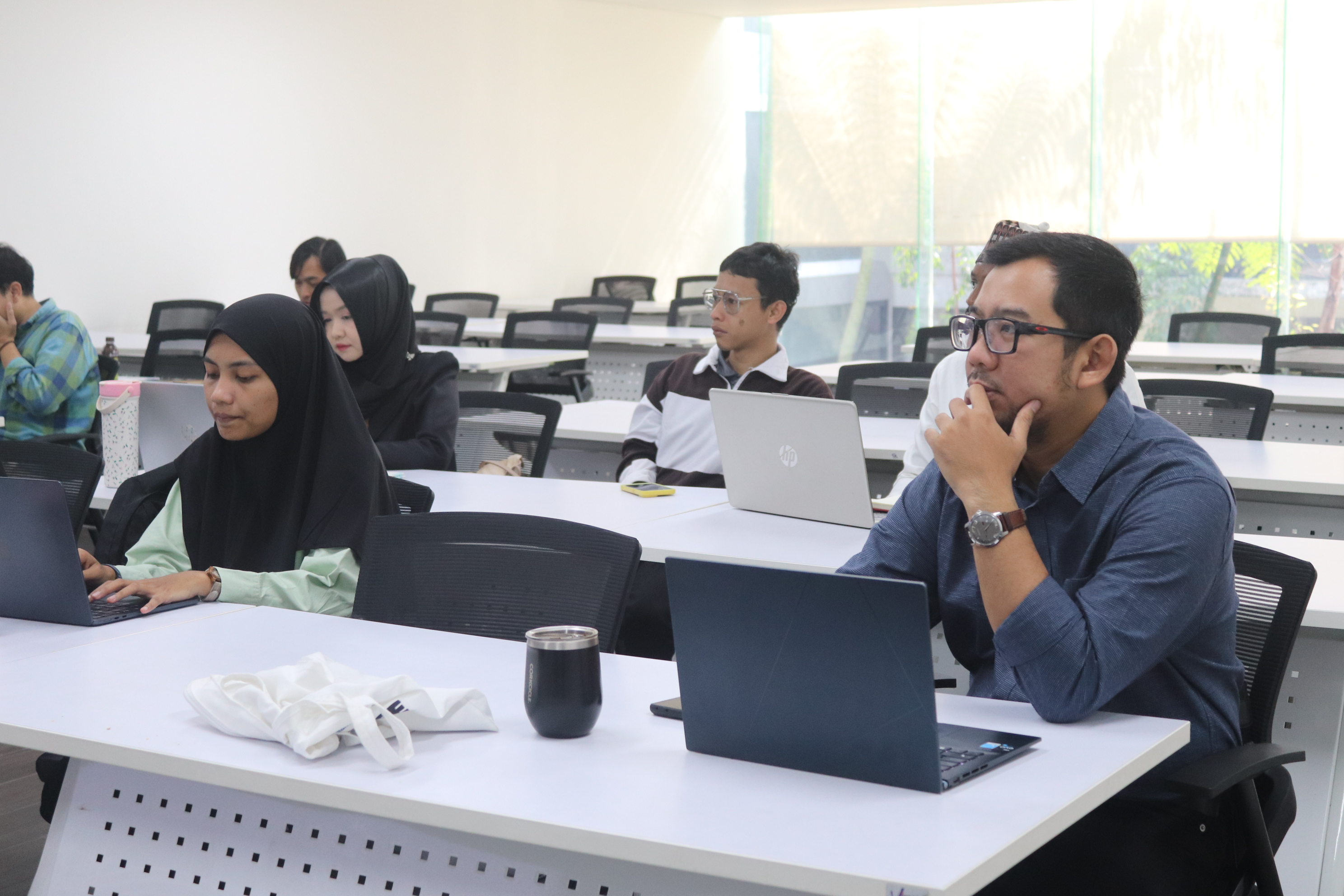
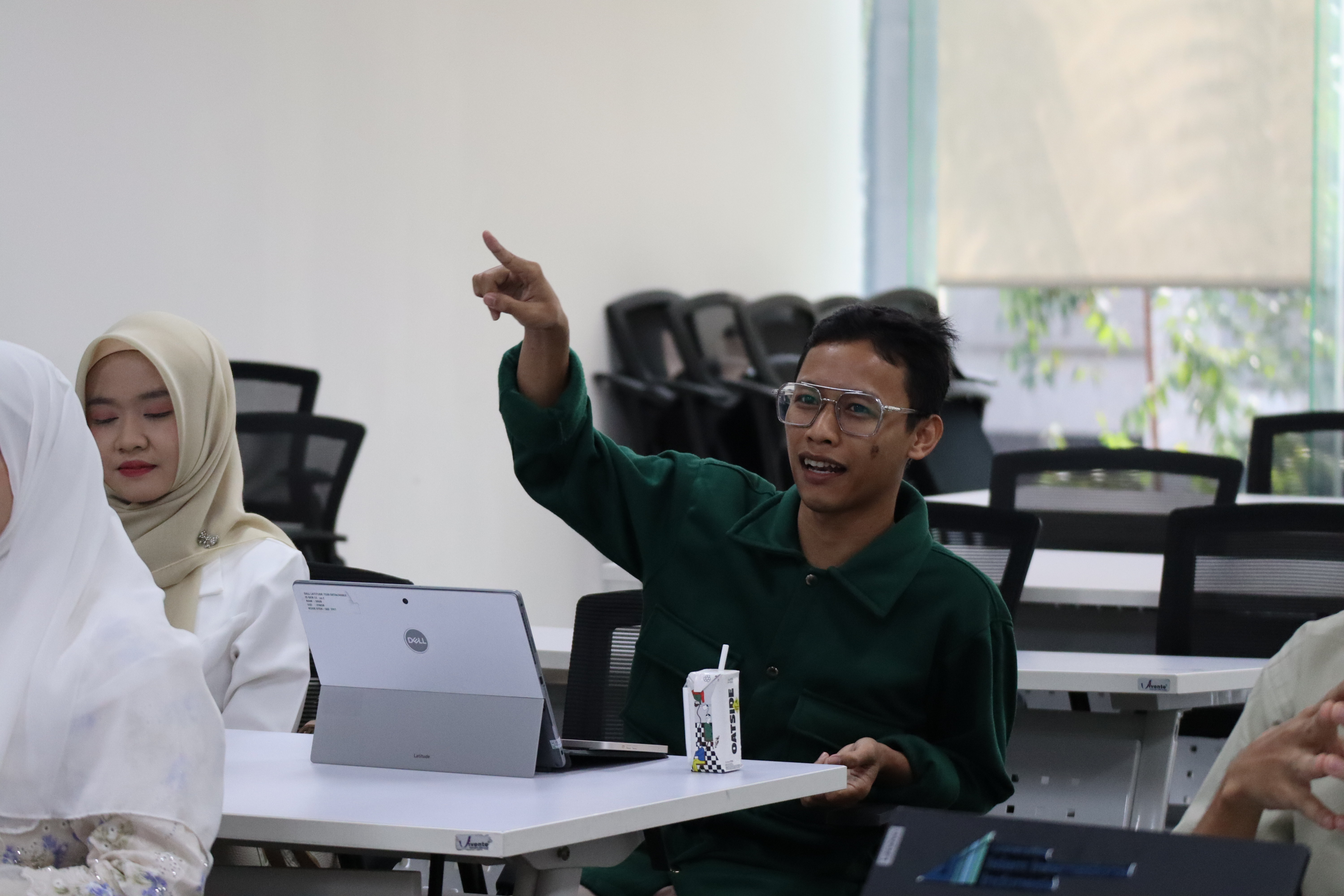
The discussion was really meaningful. Every one of us engaged in a meaningful discussion during the reflection session. I was curious to know how the intersection of technology and Islamic theology works. Because if everything operates algorithmically—through trial and error, feedback loops, and optimization—where does the concept of punishment fit? In algorithmic thinking, there is no punishment in the traditional sense; there is only iteration, learning, and refinement toward better outcomes. But in Islamic understanding, accountability, consequence, and divine justice are fundamental to human existence. How do we reconcile an algorithmic universe with the Islamic concepts of Heaven and Hell, responsibility, and divine judgment?
The speaker’s thoughtful response opened new pathways for understanding. He acknowledged that algorithmic frameworks describe how systems operate, but theological concepts address the why and what it means. Rather than a contradiction, these two perspectives can enrich each other. Because algorithms help us to understand the operational mechanism of divine will in the world, while Islamic theology provides the moral and spiritual framework.
This lecture really helps us to rethink how artificial intelligence, data analytics, and algorithmic decision-making shape our lives. Technology is not morally neutral; it embodies the values and limitations of its designers. We realized that understanding technological frameworks is no longer optional but mandatory for every discipline. These algorithms are human-made systems operating within primary and enhancer algorithmic structures, and we must understand them to engage meaningfully with contemporary society.
What struck us most was how the speaker’s framework doesn’t eliminate technology or sacred knowledge as incompatible. Instead, it invites scholars and believers to deeply engage with them. Programs like the MA in Islamic Studies Specializing in Digital Islam at UIII help us navigate these intersections, offering a space where rigorous theological study meets critical technological knowledge.
For students interested in exploring how Islamic thought engages with artificial intelligence, digital ethics, algorithmic justice, and the theological implications of simulation theory, this specialization offers a unique opportunity. In a world increasingly mediated by algorithms, combining Islamic scholarly tradition with digital competency prepares us to lead meaningful conversations about technology, faith, and human flourishing.
The lecture left us with more questions than answers, which is precisely the mark of transformative learning. It helped us to explore how everything around us, from nature to human consciousness, operates according to algorithmic principles. If you are curious about these intersections of Islamic Studies and digital technology and want to develop expertise in this emerging field, you are warmly invited to explore the MA in Islamic Studies Specializing in Digital Islam.