
Depok — The Faculty of Islamic Studies (FIS) at Universitas Islam Internasional Indonesia (UIII) successfully hosted a distinguished guest lecture featuring Dr. Yahya Jahangiri Suhrawardi, Cultural Counselor of the Embassy of the Islamic Republic of Iran. The session offered students valuable insights into theological foundations, methodology, and critical perspectives in the study of religion.
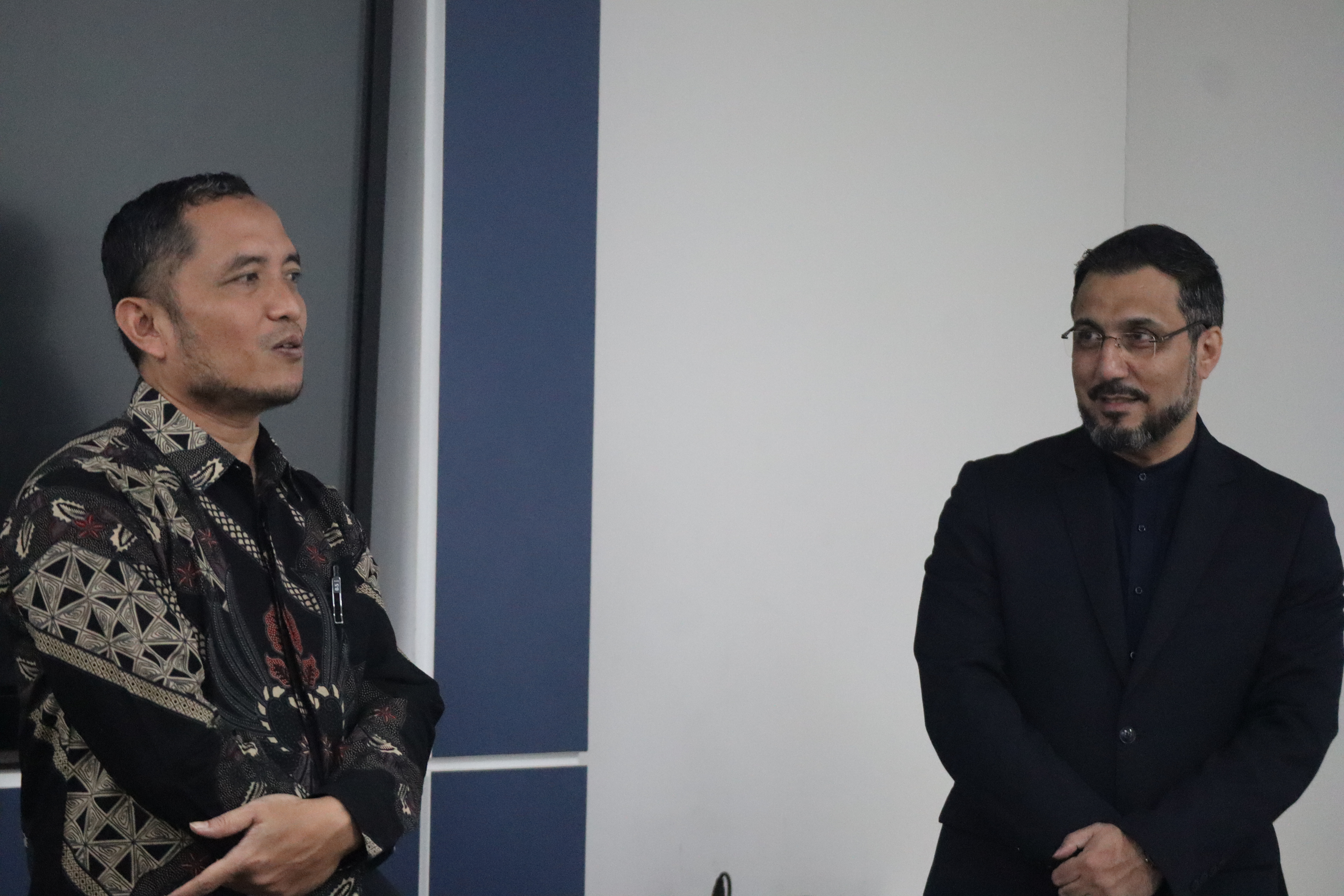
The lecture commenced with opening remarks by Prof. Syamsul Rijal and Dr. Mughzi Abdillah, who warmly welcomed the guest lecturer and highlighted the importance of cross-cultural academic engagement. They introduced Dr. Yahya Jahangiri as a prominent intellectual figure with deep expertise in Islamic thought and Iranian scholarship.
Prior to the main lecture, students participated in an introductory session, during which each student briefly introduced themselves. This was followed by a presentation delivered by Ahmad Sirajun Nuha, setting the stage for a dynamic academic discussion.
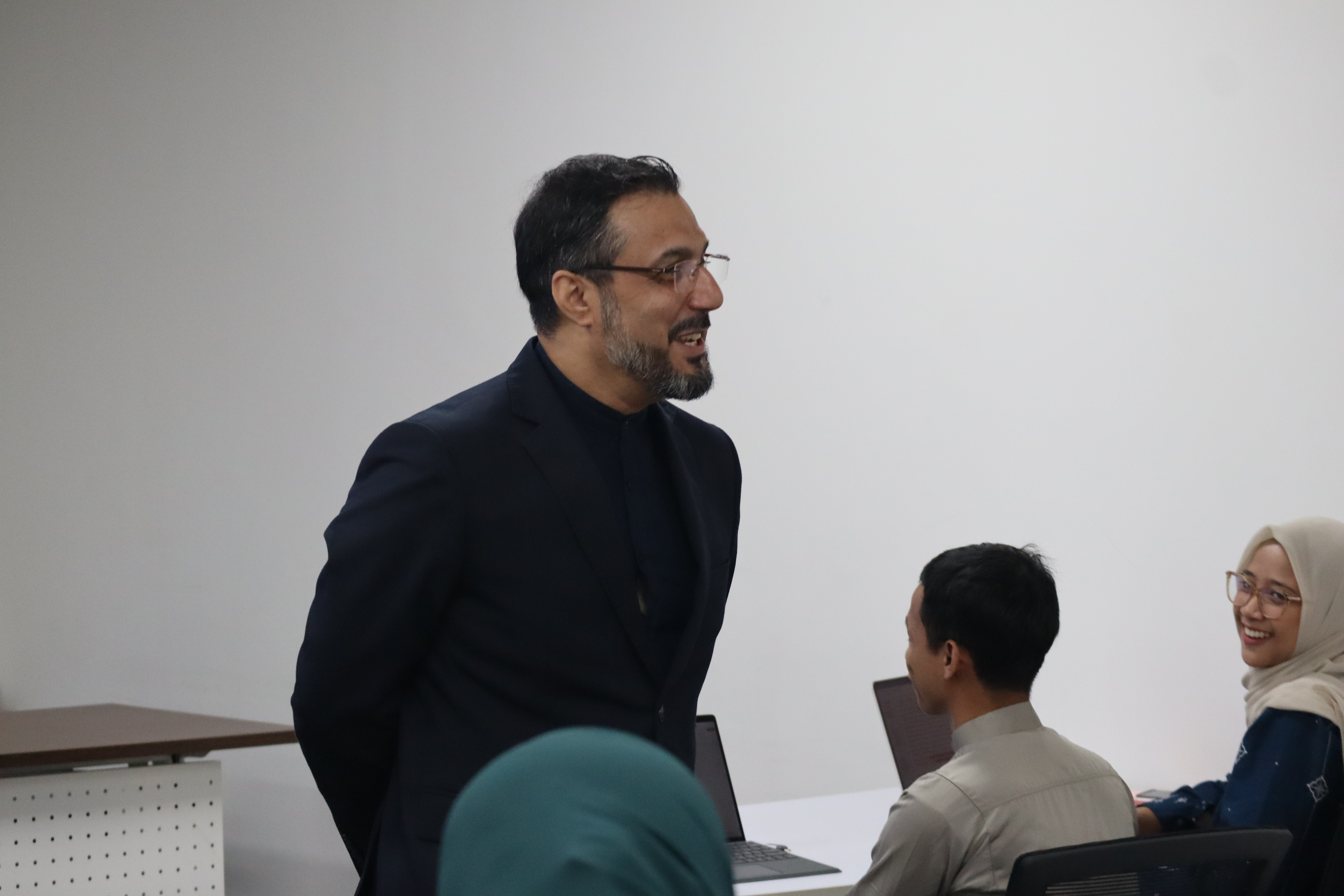
In his lecture, Dr. Jahangiri emphasized two key foundations for studying religion. The first is methodology, which he described as essential for understanding meaning, tradition, and interpretation within a community. He stressed that the study of religion should not be based on judgment, but rather on a sympathetic and critical approach. According to him, researchers should shift their focus from questioning what people believe to why they believe in it. In this context, theology was described as a synthesis between rational inquiry and textual sources.
Dr. Jahangiri also highlighted a significant challenge in contemporary Islamic studies, the limitation of data and historical records. This constraint, he argued, often leads to superficial conclusions and contributes to the marginalization of certain intellectual traditions.
The second crucial aspect discussed was the role of pre-assumptions. Dr. Jahangiri highlighted that preconceived notions frequently shape how scholars perceive religious communities, often leading to labeling groups as “different” or “the others.” He underscored the importance of studying religion authentically, “as it is”, without imposing external biases.In his concluding remarks, Dr. Jahangiri encouraged students to deepen their mastery of the Arabic language as a fundamental tool for understanding Islam. He illustrated this point by referencing the legacy of Shahab al-Din Suhrawardi, whose works were largely introduced to the Western world by Henry Corbin. Ironically, he noted, many Muslims themselves came to rediscover their own intellectual heritage through Western scholarship.
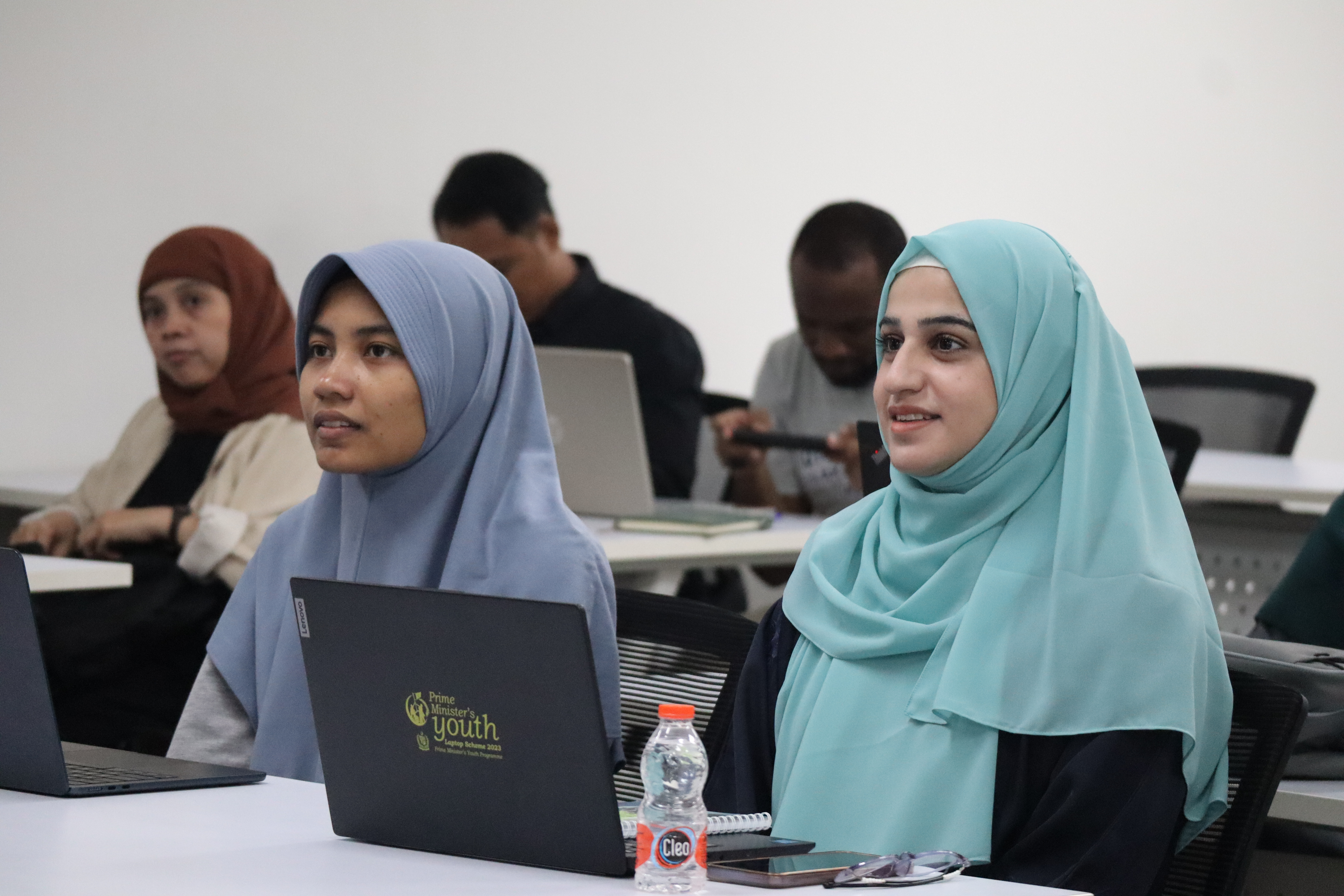
The lecture concluded with a reflective discussion, leaving students with a renewed awareness of the importance of methodological rigor, intellectual humility, and linguistic depth in the study of Islam. This guest lecture marks another milestone in the faculty’s commitment to fostering critical, global, and interdisciplinary perspectives in Islamic studies.