
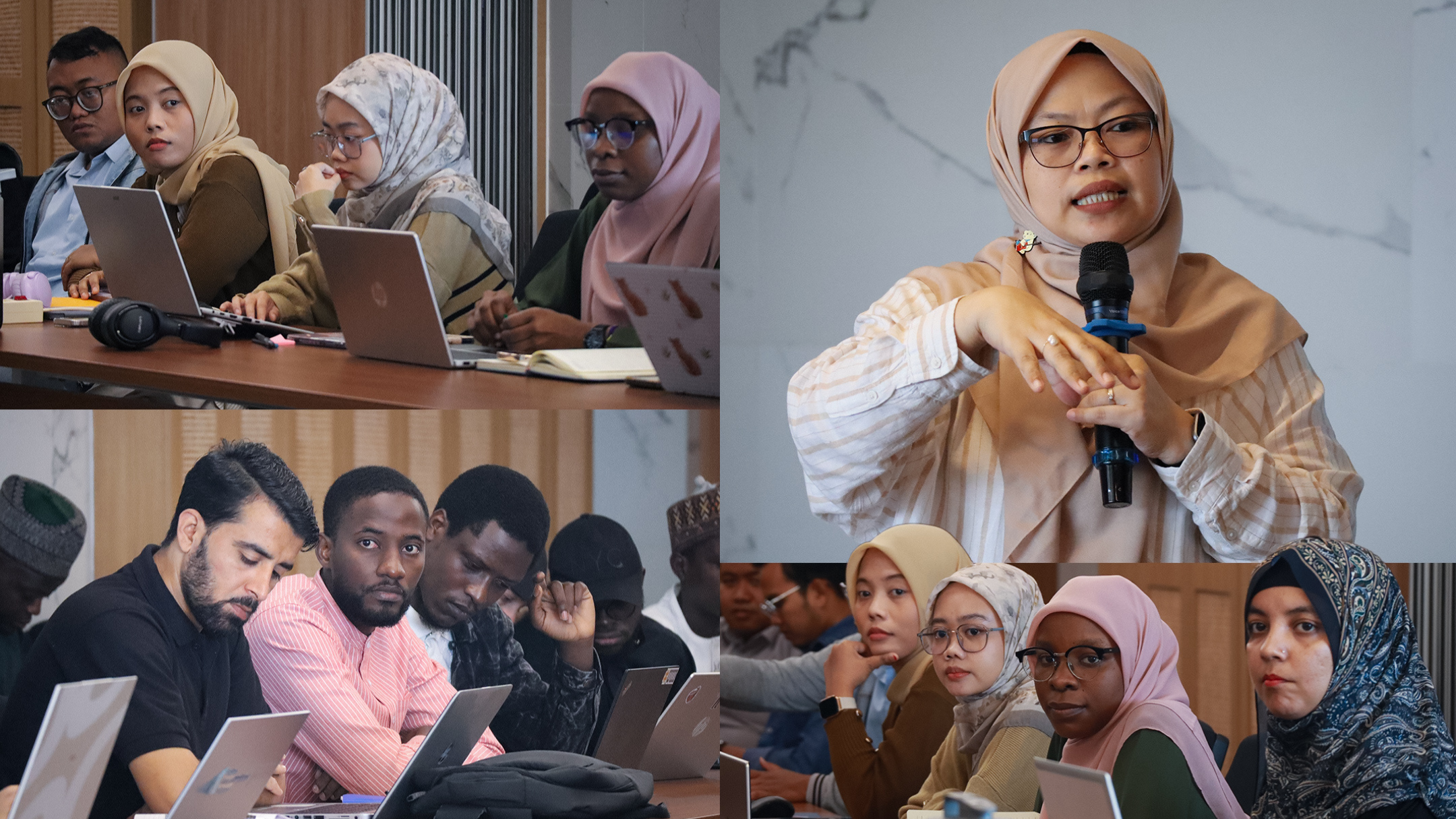
Depok – The Faculty of Islamic Studies, Universitas Islam Internasional Indonesia (UIII), organized the Writing Camp 2026: Shut Up and Write (SHARE) on May 18-19, 2026, at the Meeting Hall on the 7th floor of the Jusuf Kalla Library. Designed specifically for fourth-semester master’s students who are currently writing their theses, the program aims to provide academic guidance, motivation, and a structured environment to help students maintain momentum in their research and writing.
The two-day intensive program brought together students and faculty members in a collaborative academic setting focused on one common goal: making meaningful progress on thesis projects through discipline, consistency, and effective writing strategies.
Building the Foundations of Academic Writing
The event opened with remarks from the Dean of the Faculty of Islamic Studies, Prof. Yanwar Pribadi, who emphasized that thesis writing represents one of the most challenging yet rewarding stages of a student’s academic journey. He encouraged participants to remain committed to their research and reminded them that academic success is built upon persistence, discipline, and sustained effort.
The opening session was followed by a presentation from Dr. Zezen Zaenal Mutaqin, Head of the MA Program, who highlighted that thesis writing should be viewed not merely as a graduation requirement but as an intellectual process through which students develop their scholarly voice. He stressed the importance of a clear research structure and repeatedly underscored consistency and discipline as essential components of successful academic writing.
Practicing Productivity through the Pomodoro Technique
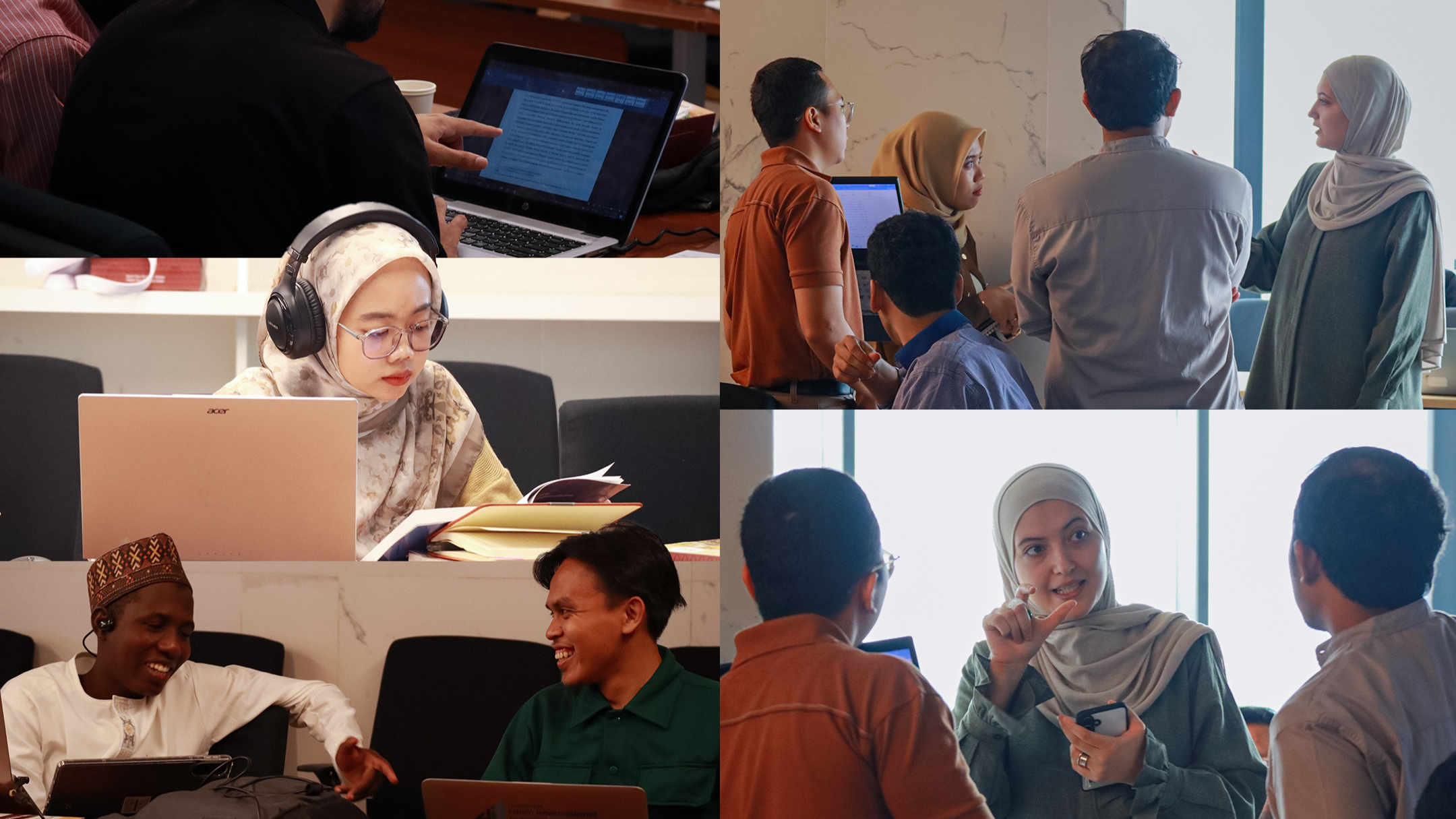
A key feature of the writing camp was the introduction of the Pomodoro Technique, facilitated by Dr. Haula Noor. Through this method, students engaged in focused writing sessions consisting of 50 minutes of uninterrupted work followed by 10-minute breaks. The approach encouraged participants to balance concentration and rest while maintaining productivity throughout the day.
Beyond the writing sessions, students also received direct academic support through individual consultations with their thesis supervisors. These meetings provided opportunities to discuss research progress, receive feedback, and address specific academic and structural challenges encountered during the writing process.
Learning from Academic Writing Experiences
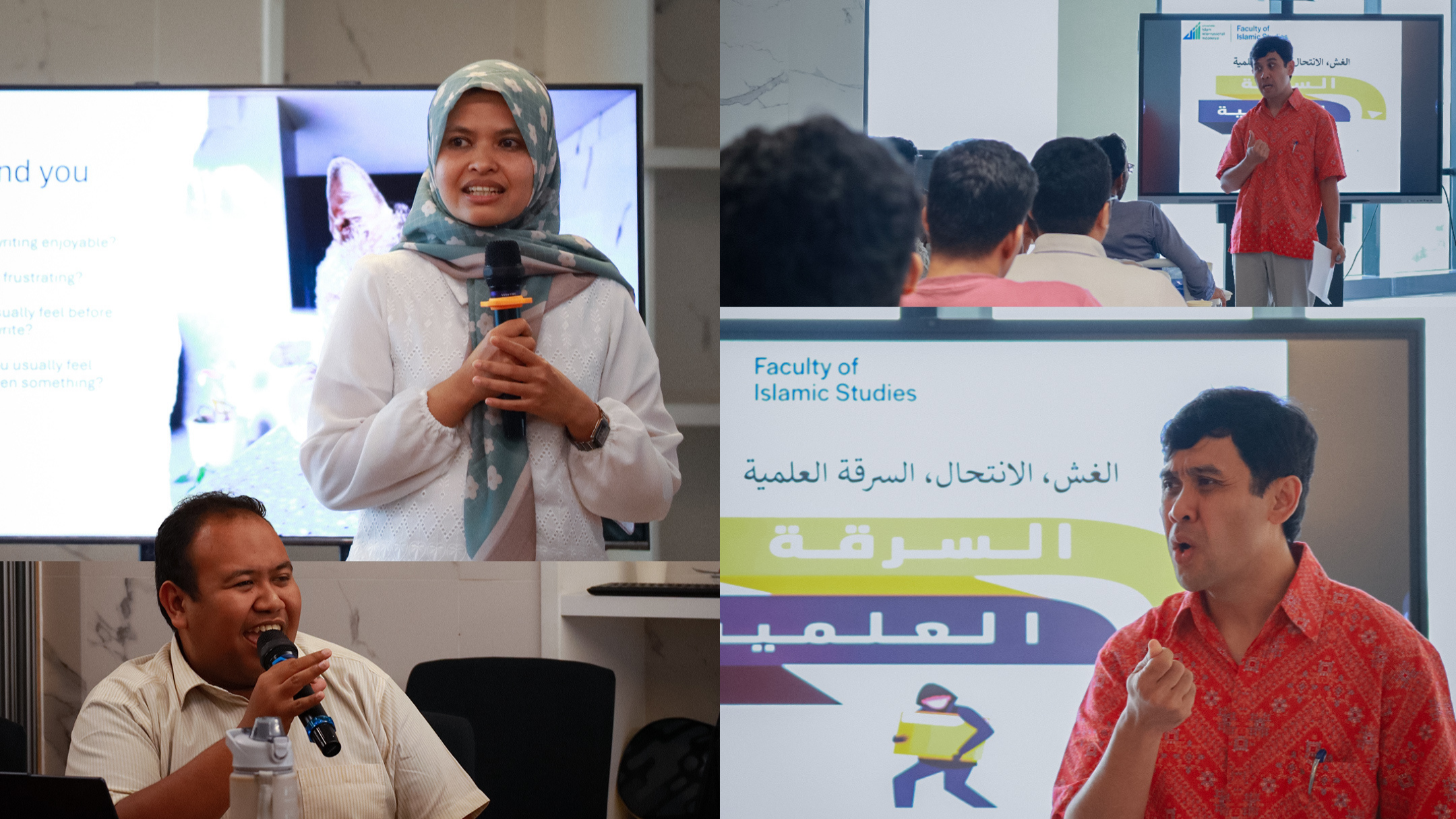
The second day of the program continued with a session featuring Dr. Myra Mentari for the English session and Dr. Ayang Utriza Yakin for the Arabic session, who shared insights, challenges, and experiences related to academic writing and research. The discussion offered students valuable perspectives on navigating the demands of scholarly work while maintaining intellectual curiosity and personal motivation.
Throughout the program, faculty members actively participated alongside students, creating an atmosphere of collective focus and academic engagement. Their presence demonstrated that academic writing is not merely taught through lectures but also cultivated through practice, mentorship, and shared commitment to scholarship.
The Writing Camp ultimately highlighted that successful thesis writing depends not only on intellectual ability but also on structure, consistency, and discipline. By combining intensive writing sessions, direct supervision, practical workshops, and mentorship, the program provided students with a supportive environment to advance their research while strengthening their academic skills.
As the Faculty of Islamic Studies continues to support students in their thesis-writing journey, initiatives such as Writing Camp reflect UIII’s commitment to fostering a vibrant academic culture that empowers students to develop as independent researchers and future scholars.