
Depok — The Faculty of Islamic Studies at Universitas Islam Internasional Indonesia hosted a public lecture, delivered by Dr. Mohammad Aboomar, an IGC Affiliated Fellow from Dublin City University, Ireland, on the topic “Negotiations of Islam and Science: Methodological Considerations and Global Consequences.” The lecture explored the historical, methodological, and epistemological connections between Islam and modern science.
The session started with an introduction by Bu Haula, who introduced the speaker and contextualized the significance of the topic. After that, Dr. Aboomar began by tracing the intellectual roots of the discourse on Islam and science. He reflected on the historical relationship between the two and identified significant moments that shaped their perceived differences.
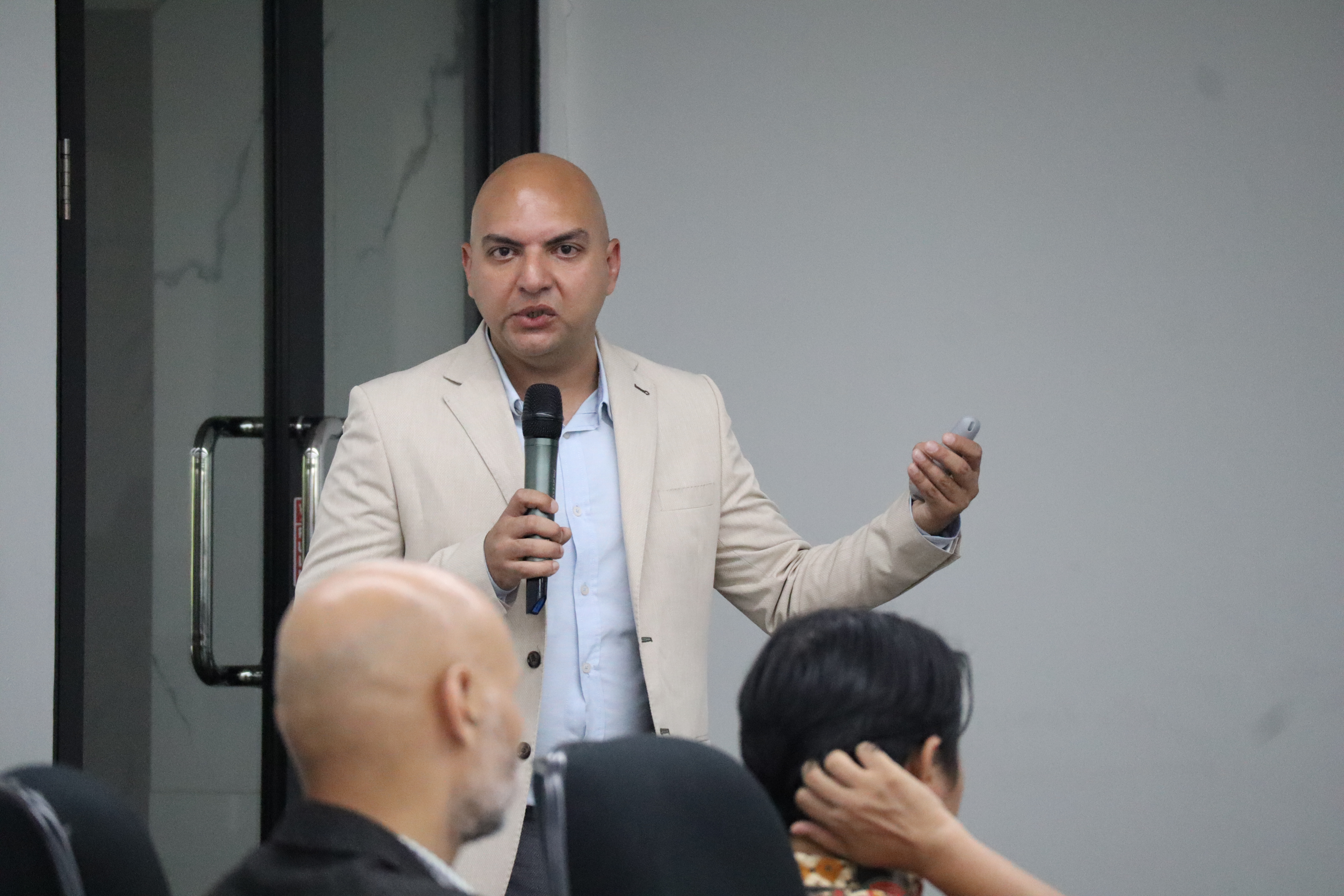
In examining the nature of this relationship, Dr. Aboomar engaged with the Theory of Evolution, highlighting its central role in contemporary debates. He revisited Charles Darwin’s quest to explain the diversity of life, noting how evolutionary theory is often framed as being in opposition to religious doctrine. Situating this within Muslim intellectual history, he emphasized the contributions of scholars during the Islamic Golden Age, who advanced scientific inquiry by shifting its methodology from purely theoretical speculation to empirical and experimental approaches. He further outlined the spectrum of responses within contemporary Muslim thought, ranging from full acceptance of modern science to critical rejection, as well as positions advocating selective integration.
A key part of the lecture was a thought experiment by Dr. Aboomar. He illustrated that scientists with different metaphysical beliefs can reach the same empirical conclusions if they adhere to the scientific methodology. He explained that modern science operates within the limits of methodological naturalism, focusing on the natural causes. In contrast, Islam deals with metaphysical realities that transcend the material domain. It is epistemology that equips us to engage with new scientific discoveries without compromising our metaphysical commitments.
Taking a practical approach, Dr. Aboomar called for a balanced stance that avoids both strict scientism and uncritical relativism. He emphasized that science, unlike revealed knowledge, does not claim to be infallible. It evolves through revision and critique. Questioning scientific assumptions, he noted, is not only legitimate but necessary for progress.
The lecture also highlighted the growing academic field of Islam and Science. Dr. Aboomar acknowledged the contributions of Shoaib Ahmed Malik, whose work employs Al-Ghazali’s Ashʿarī framework to address tensions between theology and atheism. He further pointed to developments in Indonesia, where dialogical models of integration between religious and scientific knowledge are gaining traction, particularly among Islamic universities in Indonesia.
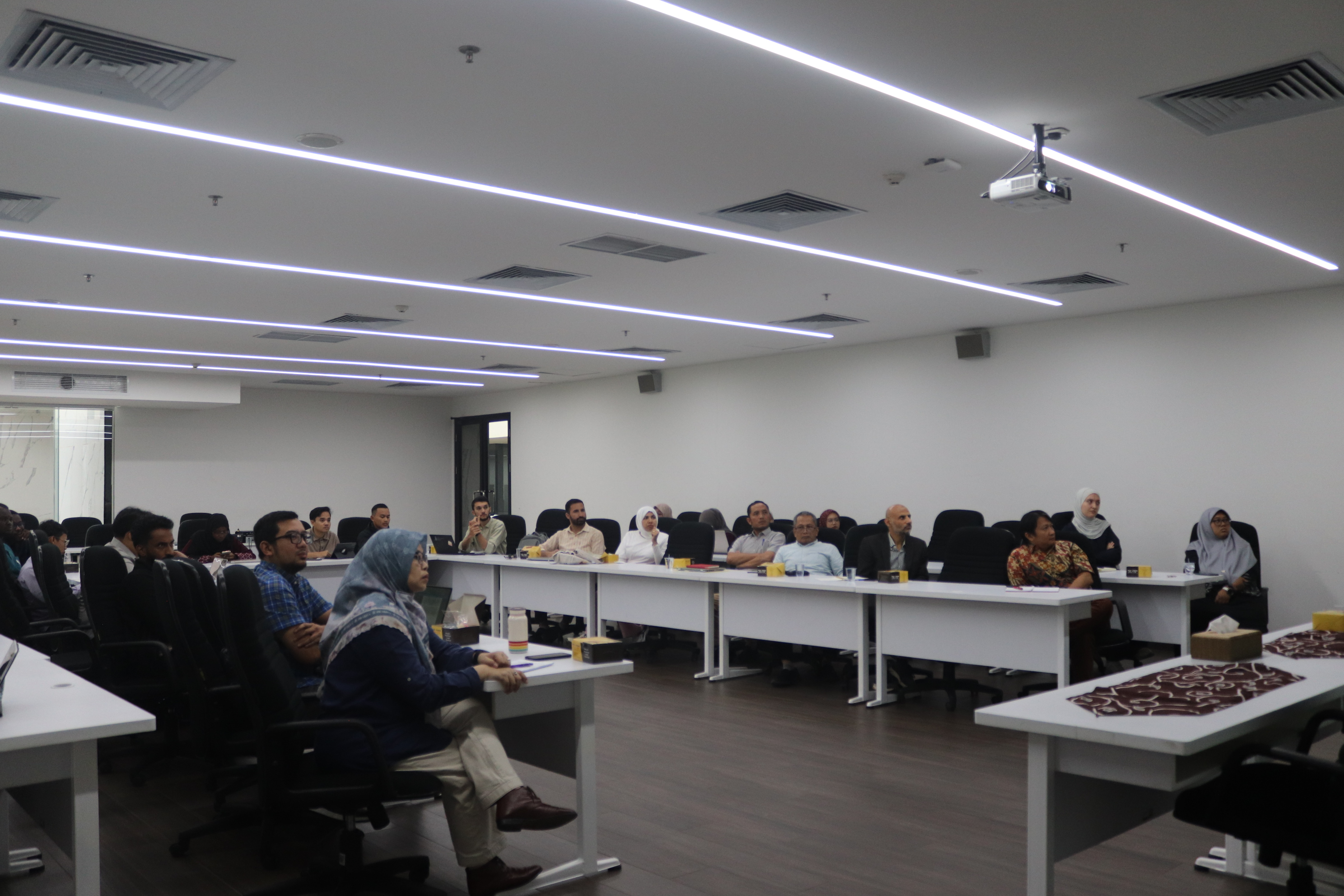
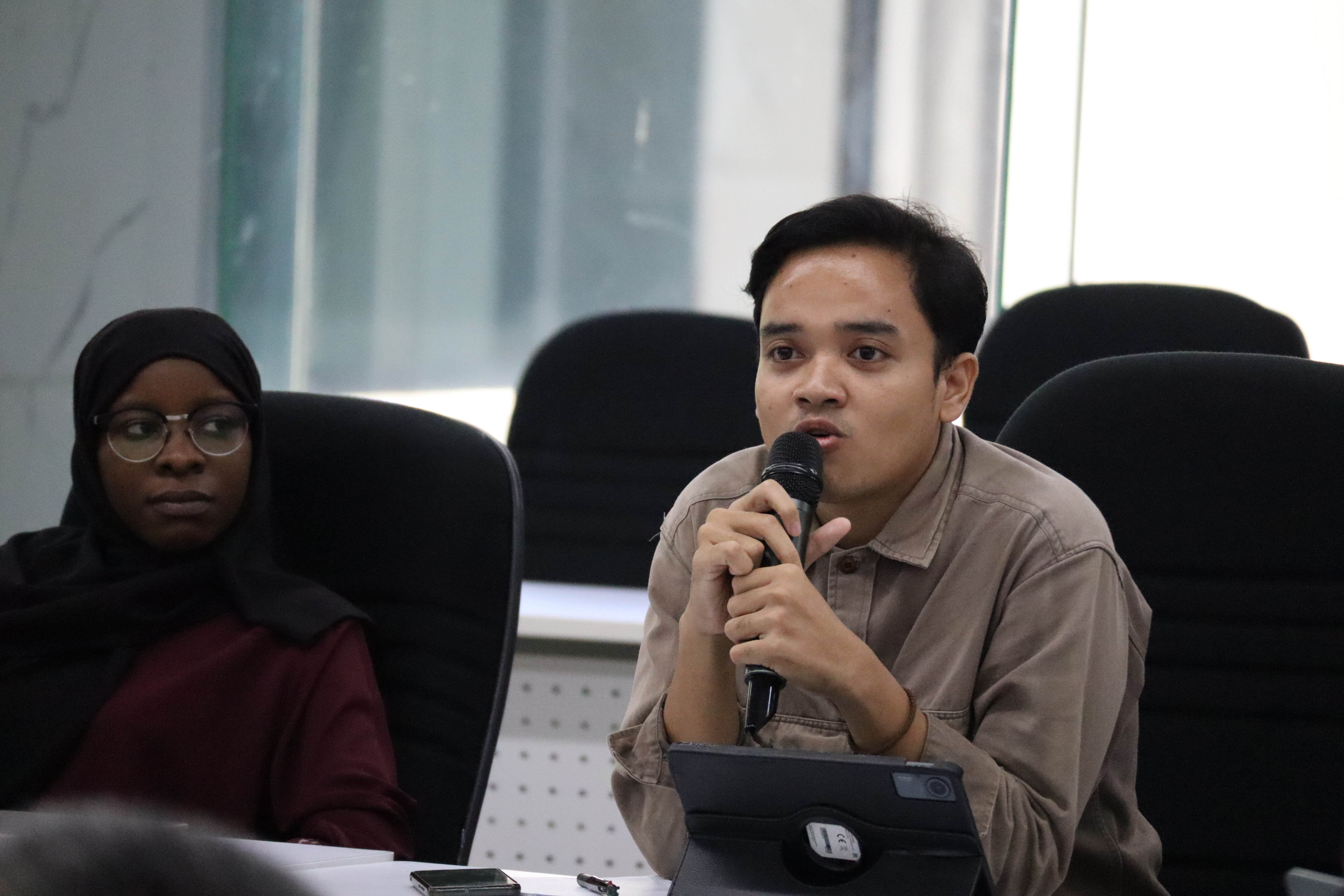
The event attracted faculty members and students, demonstrating strong academic interest in the topic. The discussion continued with a Q&A session, where participants raised important questions and shared various perspectives on the challenges and future directions of the field.
By hosting such timely discussions, the Faculty of Islamic Studies at UIII continues to foster critical engagement with contemporary intellectual challenges. Events like this not only deepen scholarly discourse but also inspire emerging researchers to contribute to the evolving conversation on Islam and Science.