
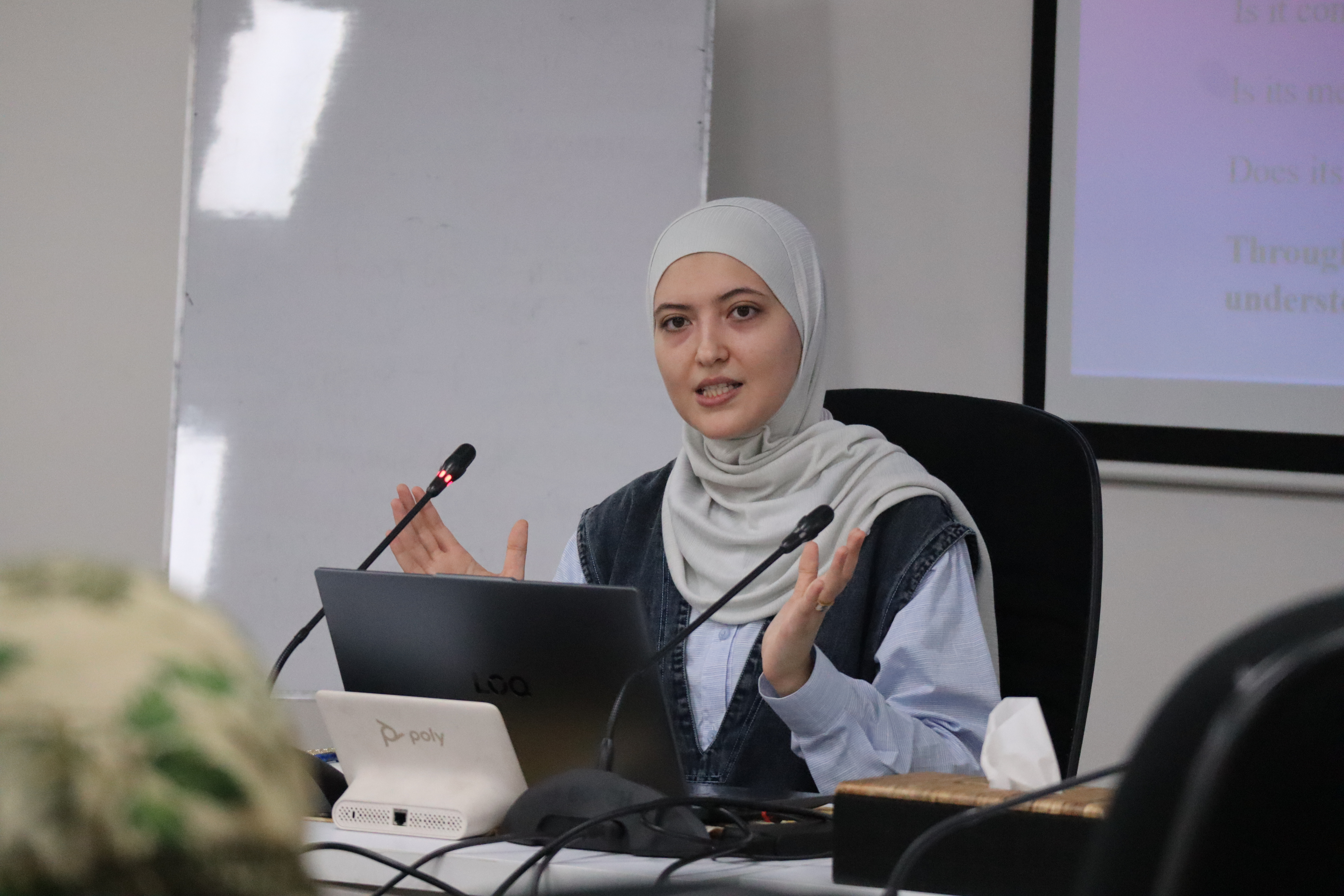
Depok – In a cooling academic atmosphere, the Faculty of Islamic Studies (FIS) at Universitas Islam Internasional Indonesia (UIII) held a faculty colloquium on the topic “Investigating ʿĀʾisha’s Istidrākāt as an Epistemic Model for Hadith Criticism,” which was delivered by Dr. Jumana Hazim ElSamna, a lecturer at the Faculty of Islamic Studies, Universitas Islam Internasional Indonesia. The session, which was held on Thursday, 21 May at the Teleconference room of the Faculty A Building, primarily examines how classical scholars of Islam verified, negotiated, and appropriated knowledge through the corrective intervention of the Prophet’s wife, ʿĀʾisha, as a model.
Dr. Maryam Qonitat, who led the academic gathering with opening remarks, also highlighted the significance of the topic to the modern academic discourse in Hadith Scholarship, following the increasing call for re-evaluation of prophetic narrations in the contemporary era.
In her lecture, Dr. ElSamna described the revered personality of ʿĀʾisha, her intellectual endowment, and scholarly contributions to various aspects of Islamic sciences, especially her role as a reference point for knowledge validation among the Companions in the face of uncertainty, ambiguity, and contexts. Dr. ElSamna explained how ʿĀʾisha engaged with narrations transmitted by other companions in which she had reservations or reviews, a concept she noted is called Istidrākāt al-Hadithi. This concept, she highlighted, became an epistemological example of textual criticism in the modern study of Hadith.
Examining the importance of ʿĀʾisha’s corrective intervention, Dr. ElSamna outlined how ʿĀʾisha scrutinized transmitted reports by shifting the phenomenon from mere verification of chains of narrators (Isnad) to critically engaging the accuracy of the Hadith texts or contents (Matn). Furthermore, Dr. ElSamna traced how classical literature emerged about ʿĀʾisha’s Istidrākāt with the pioneer work done by Abū Manṣūr al-Baghdādī, followed by Badr al-Din al-Zarkashi, then Jalaludin al-Suyūṭī, and down to the contemporary scholars who developed the field of Naqd al-Matn, the science of textual Hadith criticism.
In her scholarly innovation, Dr. ElSamna classified ʿĀʾisha’s Istidrākāt into four main categories. The first Riwaya-based correction, which primarily concerns the chain of narration. The next one is Naqd-based evaluation, which principally deals with how ʿĀʾisha criticized the content of a Hadith. The third type is Legal-interpretive reasoning, which mainly focuses on how ʿĀʾisha offered a new legal meaning to a particular narration. And the last is about how she deployed Qur’anic verses to criticize the contents of Hadith. While these types might overlap, Dr. ElSamna emphasized that borders around epistemic authority, evidentiary evaluation, and adjudicative reasoning.
Before she concluded her presentation, Dr. ElSamna clarified that ʿĀʾisha made those corrective interventions not because of her respected personality as the Prophet’s wife but out of a personal scholarly effort (Ijtihad). This is why later classical scholars not only evaluated her Istidrākāt, but they also rejected some and accepted others due to evidentiary purposes. For Dr. ElSamna, these instances of ʿĀʾisha’s Istidrākāt clearly demonstrated that early Hadith scholarship involved sophisticated textual criticism alongside other dynamic parameters of investigation, contrary to a dominant narrative in Western academia.
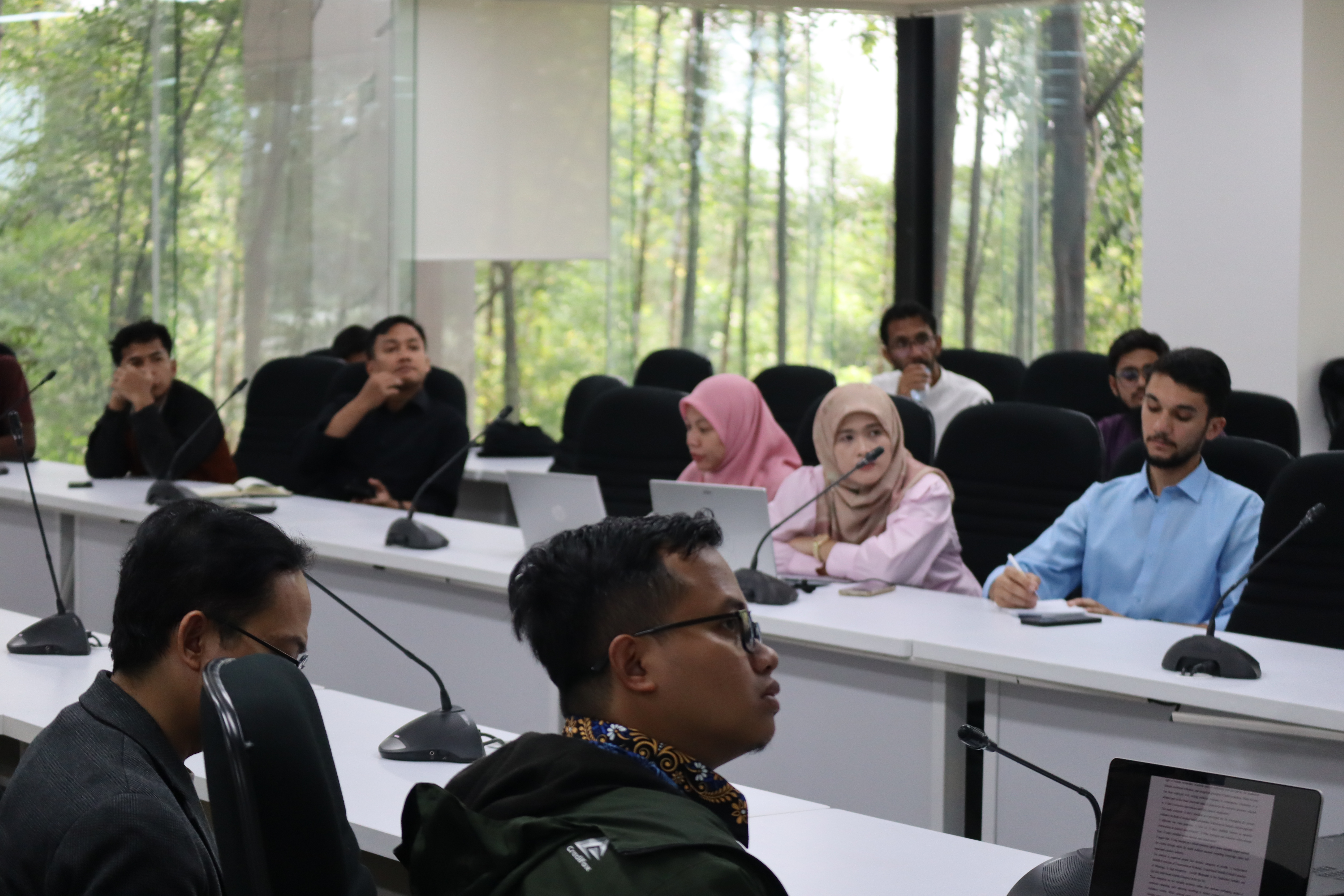
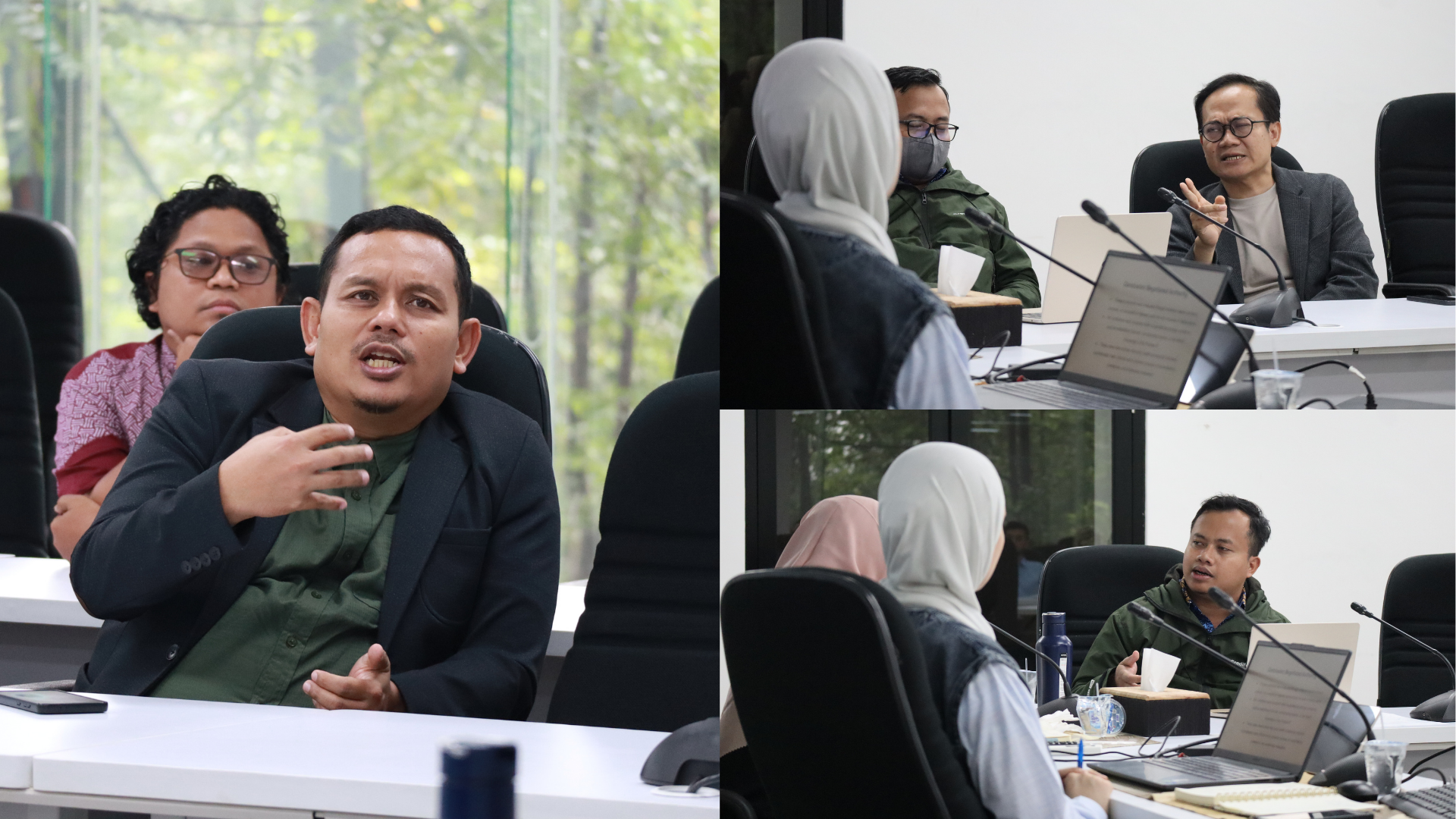
The event brought together faculty members, students, and other external participants, suggesting deep academic interest in the topic. The discussion was boosted with a Q&A session, where participants raised important questions and engaged meaningfully with different perspectives on the discourse.