Depok – The Faculty of Islamic Studies (FIS) at Universitas Islam Internasional Indonesia (UIII) hosted a curriculum-focused forum with Fulbright Specialist Prof. Lisa J. Abendroth, the Hoffman Melrose Toro Endowed Professor of Marketing Innovation at the University of St. Thomas, Minnesota to strengthen the new MA in Islamic Studies, Specializing in Digital Islam under the banner “Integrating Digital Humanities into Islamic Studies – The Digital Islam Pathway.” The forum, held on 20 April 2026 at the Smart Meeting Room, Faculty Building A, combined a Focus Group Discussion (FGD) with a guest lecture, and formed part of the broader UIII–Fulbright Specialist agenda on graduate program innovation and digital-age curriculum design.
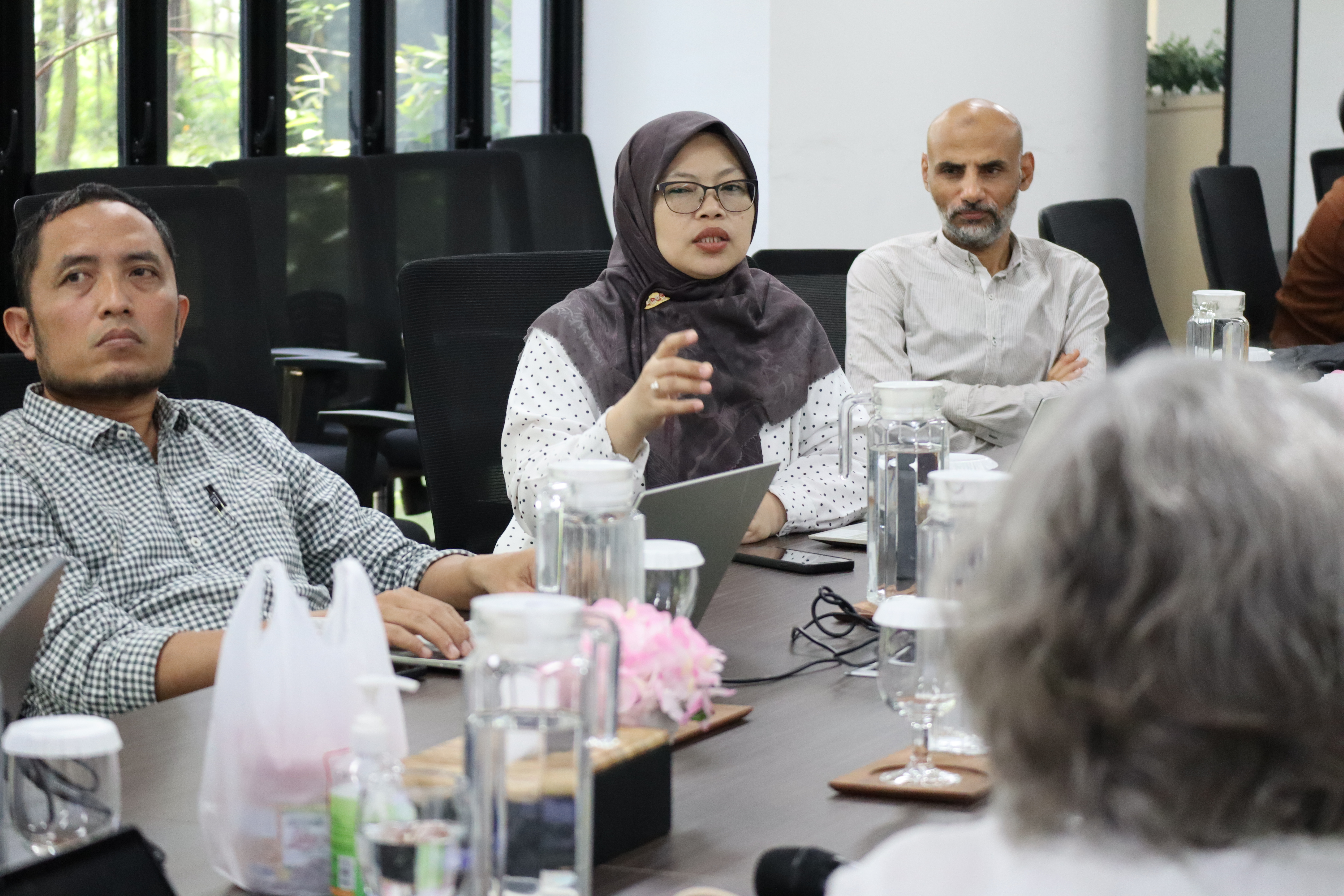
In the FGD, FIS lecturers and Prof. Abendroth sat together to review and sharpen the Digital Islam curriculum as part of the wider UIII–Fulbright Specialist Program agenda. The discussion revisited the program’s key question—what kind of graduate the faculty wants to produce—before moving through the structure of the four-semester MA, which blends foundational courses in Islamic studies with digital humanities, programming, data analysis, machine learning, and electives such as Social Web Mining and Analysis and Social Media, Algorithmic Authority, and Influencers in the Muslim World. The lecturers also talked openly about how to support students without strong IT backgrounds, balance core Islamic subjects with digital skills, and connect graduates with academic and professional pathways around Islam and the digital sphere.
Building on FIS’s earlier announcement of the Digital Islam concentration, the discussion emphasized what makes this program distinctive: it places Islamic texts, Muslim societies, and lived Islam at the center while using digital tools and methods as instruments for inquiry, rather than ends in themselves. The faculty drew on comparative examples of digital humanities programs worldwide but underlined that UIII’s contribution lies in bringing together humanities, social sciences, and information technology within the Islamic studies context.
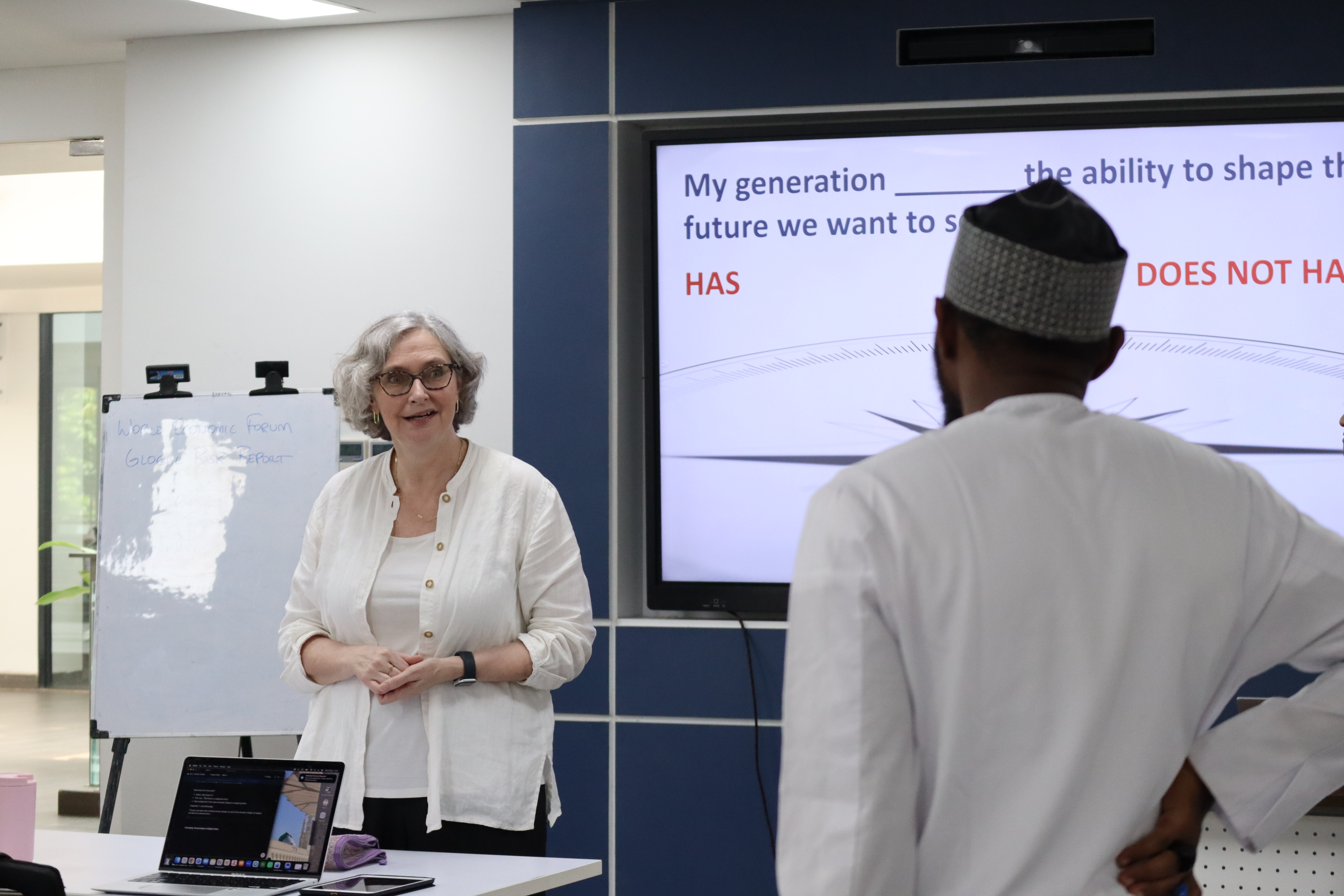
In her guest lecture “Emerging Technologies in Digital Islam,” Prof. Abendroth then turned to the students, inviting them to think about digital literacy, strategic foresight, and what it means to be human in a digital Islamic world. She highlighted how quickly technologies—especially artificial intelligence—are changing, and encouraged students to approach them with curiosity and critical reflection instead of fear. Rather than turning Islamic studies students into engineers, she argued, the program should equip them with enough technological and data literacy to engage thoughtfully with tools that now mediate religious knowledge, authority, and community life. For FIS UIII, the day was not just an isolated event but a step in a longer journey to develop and continuously improve the Digital Islam concentration. The FGD and lecture reinforced a shared vision: to offer a program that keeps pace with technological change while remaining firmly rooted in Islamic intellectual traditions and ethical concerns, and to prepare graduates who can navigate both realms with confidence and care. Take the next big step in shaping the future of Islamic Studies.
Apply now to our Digital Islam concentration before May 4, 2026, through the following link: