
Depok – The Faculty of Islamic Studies at Universitas Islam Internasional Indonesia (UIII) organized an academic workshop titled “Doing Ethnography: From Fieldwork to Academic Writing” on May 7, 2026, at the Lecturer Hall, 2nd Floor, Faculty A Building. The workshop featured Muhammad Ashraf T.P., an IGC-affiliated Fellow at the Faculty of Islamic Studies, as a speaker and brought together participants from diverse academic backgrounds, including students, faculty members, and those who were coming from outside the UIII academic community.
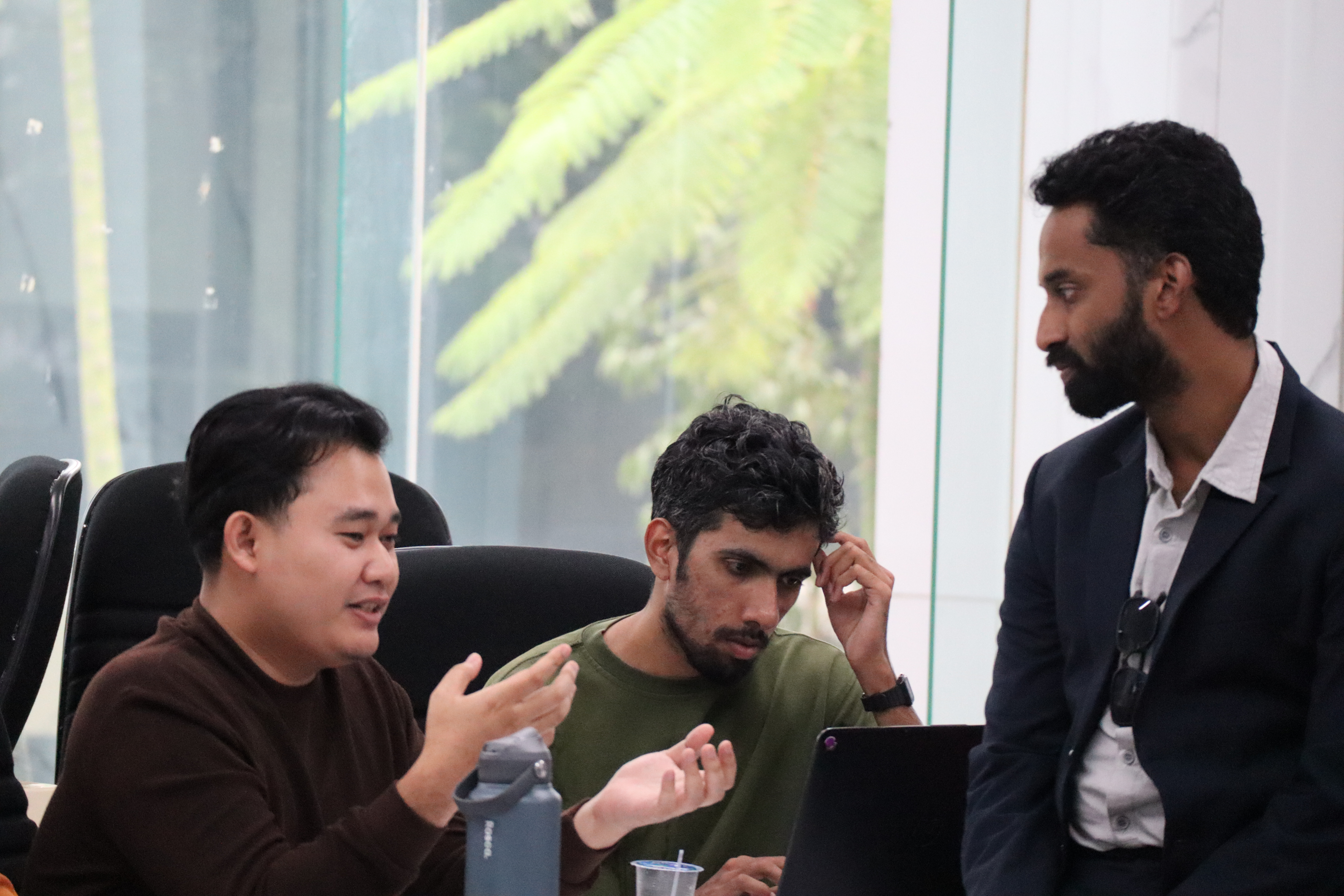
Structured to balance theory and practice, the workshop unfolded across two sessions. The first session focused on theoretical discussions and interactive Q&A, laying the conceptual groundwork for what followed. Building on that foundation, the second session invited participants into hands-on practical exercises in ethnographic research and academic writing.
To guide the day’s proceedings, Dr. Haula Noor served as a moderator, opening the session by introducing the topic and highlighting the relevance of ethnographic approaches in contemporary academic research. Her framing remarks set an intellectually engaging tone that prepared the audience for the speaker’s presentation.
On stage, Ashraf emphasized the importance of establishing a shared understanding of ethnography before moving on to methodological discussions. He explained that ethnography is an in-depth study of social and cultural groups through direct participation and long-term observation. According to him, the approach seeks to understand human behavior, beliefs, and cultural practices from an insider’s perspective, also known as the “emic” perspective.
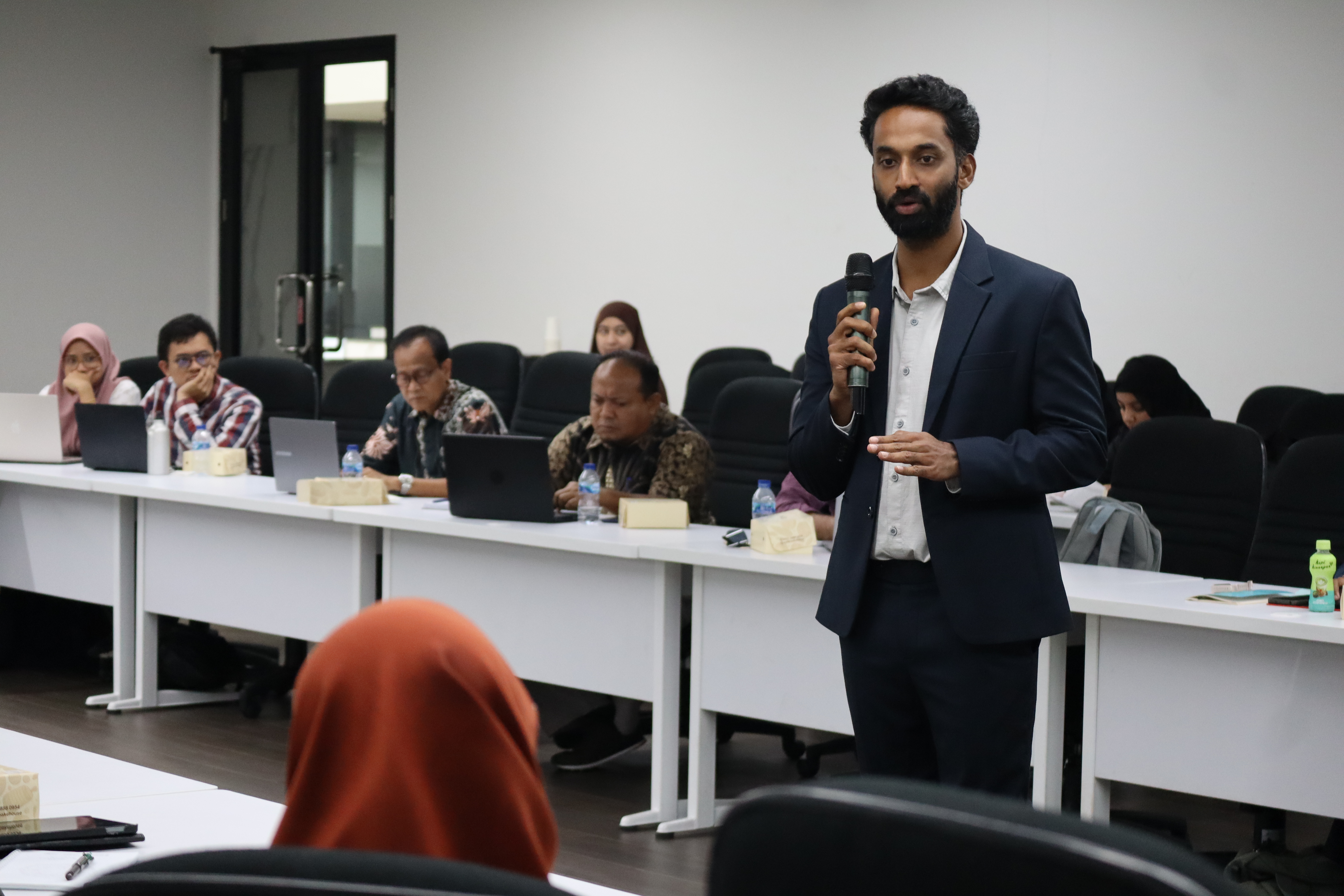
He further explained that understanding the emic perspective is closely related to research ethics and objectivity. Through field immersion, researchers are encouraged to engage directly with communities, learn local languages, and immerse themselves in specific traditions to gain a deeper understanding of the social realities being studied.
During the session, Ashraf also discussed several challenges commonly encountered in ethnographic research. He noted that researchers often face difficulties during the early stages of fieldwork, particularly in identifying meaningful entry points or developing initial ideas. At the same time, he pointed out that field research often opens the door of new perspectives, ideas, and sub-disciplines.
In explaining practical approaches to ethnographic writing, Ashraf encouraged participants to start with ethnographic or historical vignettes drawn from fieldnotes or archival materials. These descriptions, encounters, or narratives, he argued, can serve as the foundation for deeper analysis. Researchers should then explain the significance of the material and connect it to relevant theoretical frameworks to expand the analytical discussion.
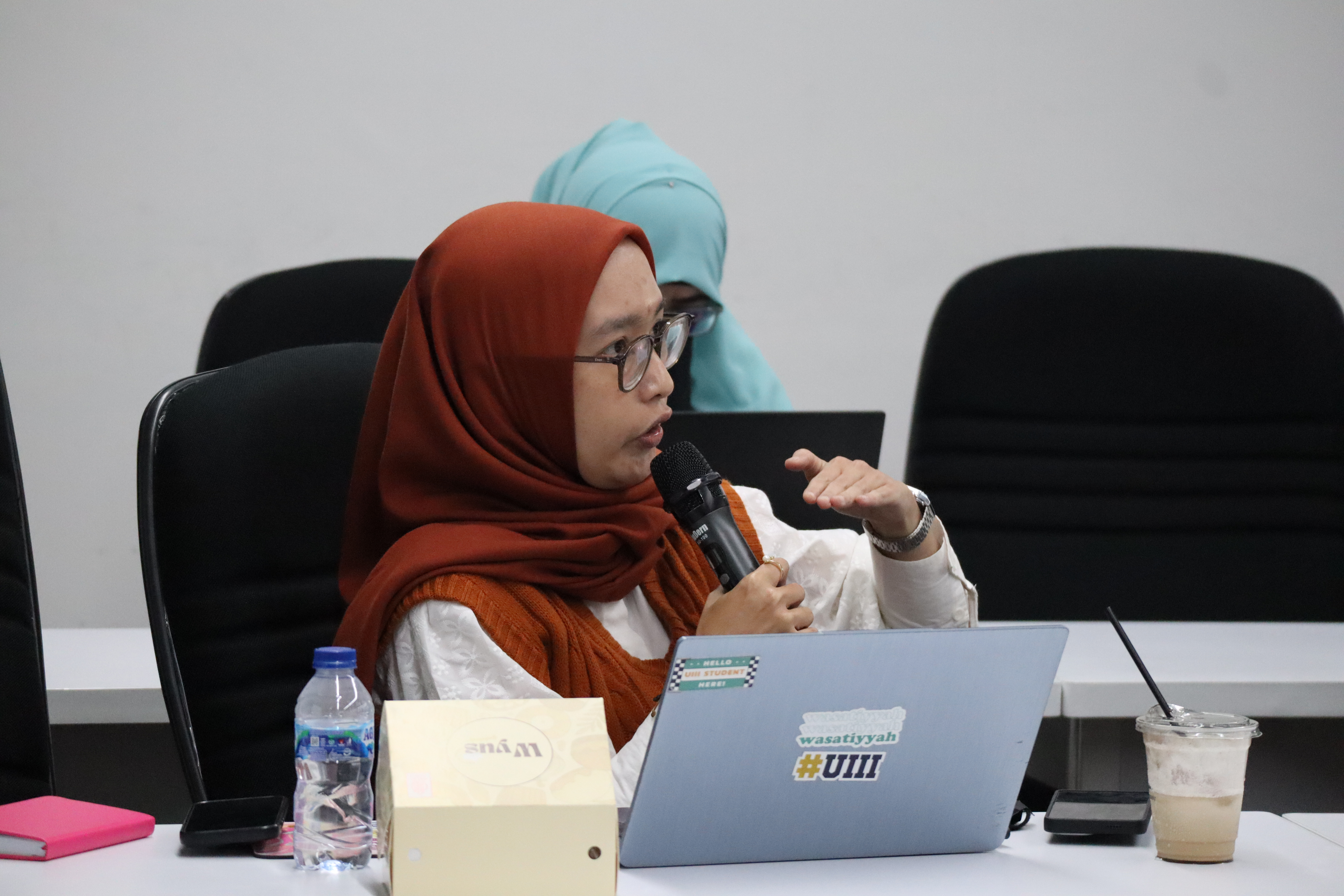
Nevertheless, he reminded participants to remain critical in using theories. Rather than treating theory as an absolute framework, researchers should question why a particular theory is chosen and whether other perspectives may also be relevant. He emphasized that academic inquiry often involves multiple interpretations, underscoring the importance of critical reflection in ethnographic works.
The workshop also highlighted several basic components of ethnographic research. Participants were encouraged to introduce a piece of data or information clearly, explain its meaning and relevance, and use comparative examples to strengthen the analysis and argument.
In the final part of the session, Ashraf shared several practical considerations for academic writing, including the importance of clarity, coherence, simplicity, and logical flow between ideas and paragraphs. He also advised participants to avoid unnecessary or pleonastic expressions to produce more effective academic writing.
Through this workshop, the Faculty of Islamic Studies UIII aimed to provide participants with both theoretical understanding and practical experience in conducting ethnographic research and transforming fieldwork into academic writing.