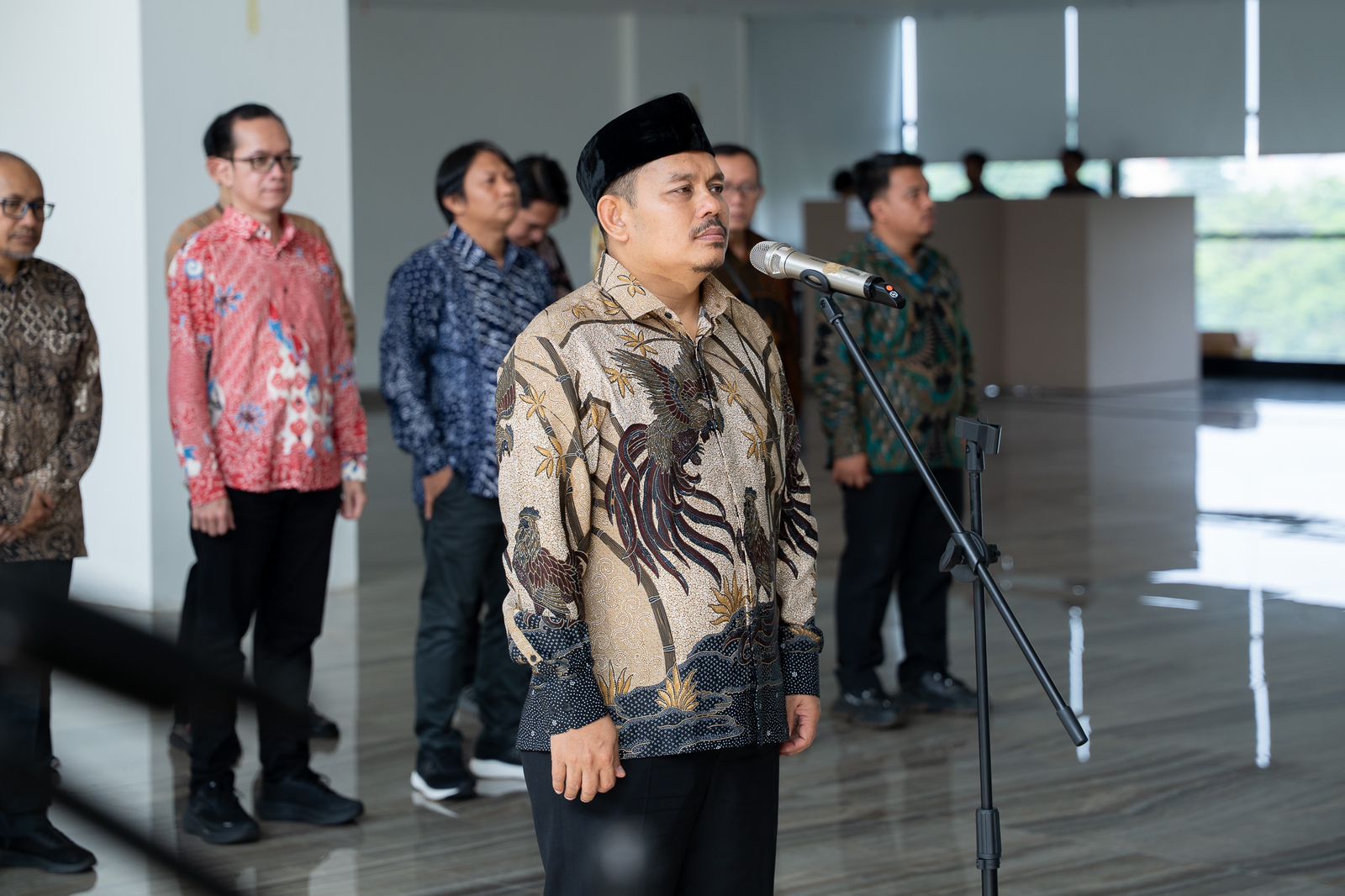
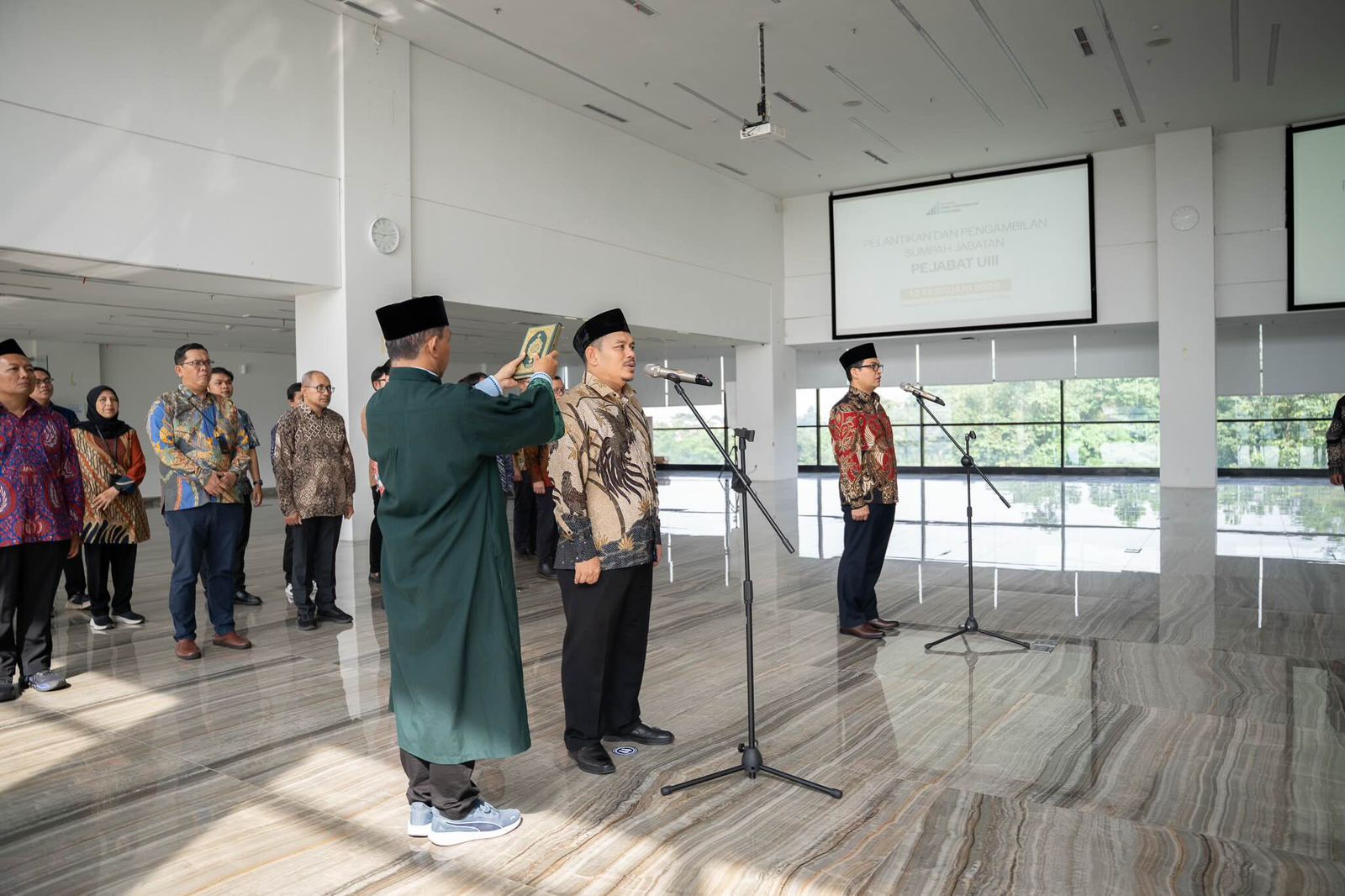
Depok, The Faculty of Islamic Studies, UIII officially enters a new chapter of academic leadership with the formal appointment of Prof. Yanwar Pribadi, Ph.D., as the Dean of the Faculty of Islamic Studies. The announcement marks the conclusion of his period serving as an acting dean of the faculty and affirms the university’s confidence in his long-term leadership.
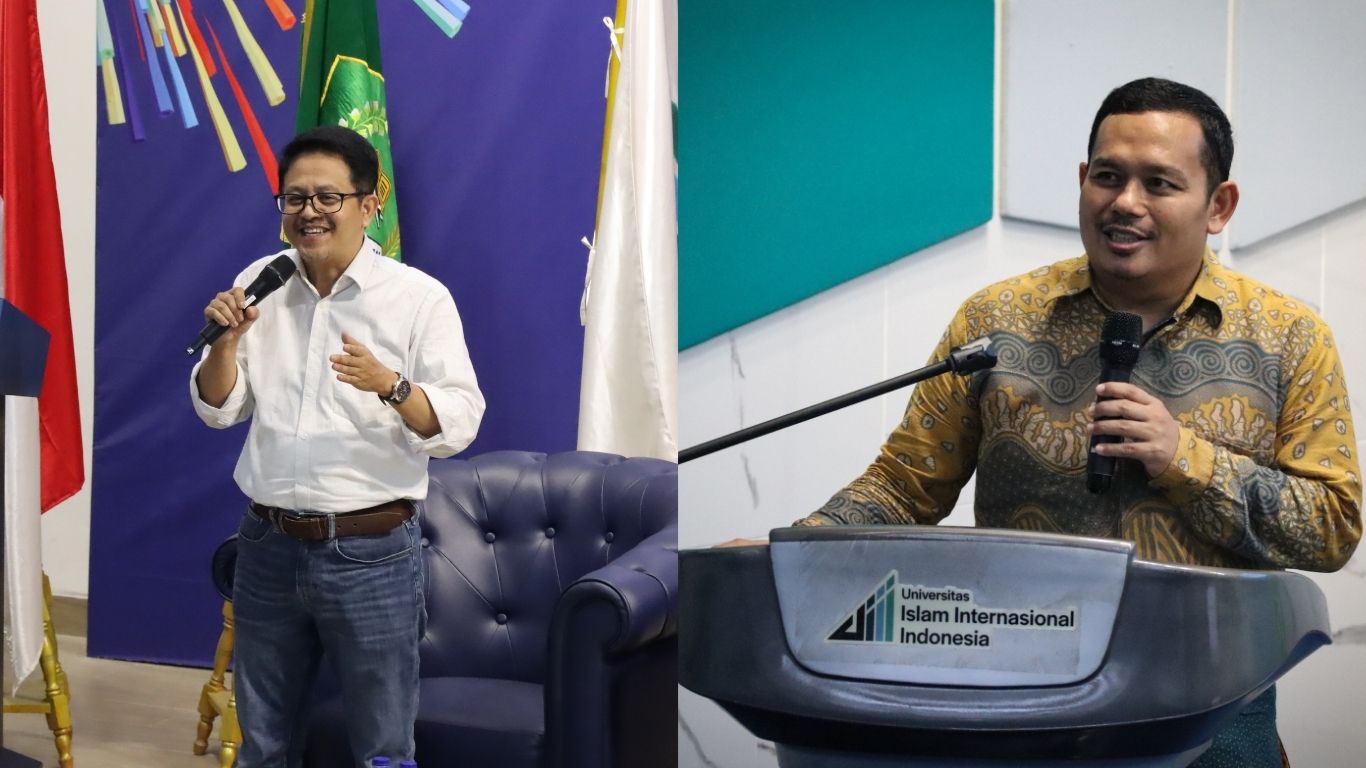
The Faculty of Islamic Studies was previously led by Prof. Noorhaidi Hasan, under whose leadership the faculty strengthened its academic foundation, research culture, and international academic engagement. The transition to Prof. Pribadi’s deanship reflects continuity in excellence while opening a new phase of strategic development.
The appointment signals institutional stability and strategic continuity for the Faculty of Islamic Studies, one of UIII’s flagship faculties. With this decision, the university reinforces its commitment to strengthening academic governance, expanding research excellence, and deepening international collaboration in the field of Islamic studies.
Prominent Scholar
Prof. Pribadi is widely recognized as a scholar of contemporary Islam, whose academic work engages themes such as anthropology of Islam, socio-political dynamics, and socio-religious transformation in the Muslim world. Having earned his advanced degrees from a leading global institution, Leiden University, and contributed to international academic forums, he brings both scholarly depth and global perspective to the faculty’s leadership.
Under his leadership, the Faculty of Islamic Studies is poised not only to consolidate but to elevate its standing as a leading hub for critical and interdisciplinary Islamic scholarship. His vision resonates with UIII’s broader mission to cultivate globally engaged, research-driven academic communities, firmly rooted in Islamic intellectual traditions while remaining responsive to contemporary global challenges.
Expanding Global Collaborations
Building on its strong institutional foundations, the Faculty will further strengthen its dual-degree collaborations with the University of Edinburgh and SOAS, University of London, thereby reinforcing its international academic partnerships. The recent opening of the MA in Turath Islam program marks a significant step in deepening engagement with classical Islamic intellectual heritage, with additional new study programs already on the horizon.
Institutionally, the Faculty continues to expand its research ecosystem. Alongside the established Islam and the Global Challenges Centre, it has inaugurated a new Centre on Islamic Manuscripts and Written Culture, underscoring its commitment to both contemporary inquiry and the preservation and study of Islamic textual traditions. These developments are complemented by expanded collaborations in research and community engagement, further enhancing the Faculty’s global and societal impact.
With a renewed mandate and strengthened authority, Prof. Pribadi now leads the Faculty of Islamic Studies into a dynamic new phase, defined by academic integrity, international partnership, intellectual innovation, and meaningful contribution to global conversations on Islam and society.